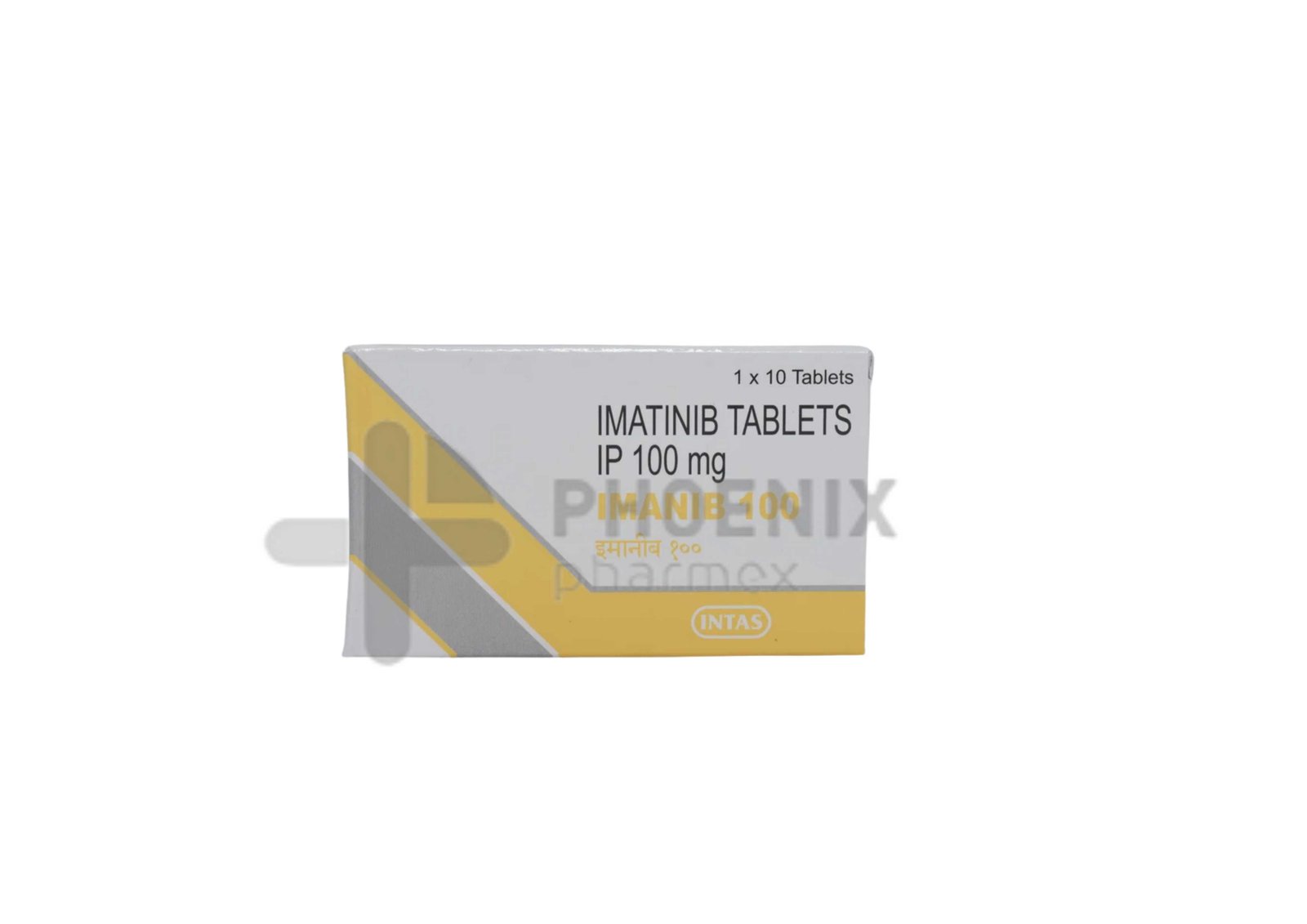


Inclusive of all taxes
10 Tablet(s) In A Strip



Imanib 100mg Tablet is a prescription leukemia medication primarily used to treat certain types of cancers such as chronic myeloid leukemia (CML) and gastrointestinal stromal tumors (GIST). It contains imatinib mesylate 100 mg, a targeted therapy that belongs to the class of tyrosine kinase inhibitors, widely considered among the best medicine for leukemia in many treatment plans.
Imanib works by blocking specific proteins that help cancer cells grow and multiply, thereby slowing or stopping the progression of the disease. Its targeted mechanism makes it an effective option for patients seeking advanced cancer therapy with improved tolerability compared to conventional chemotherapy.
This medicine specifically targets abnormal enzymes like BCR-ABL in CML and c-KIT in GIST, preventing cancer cells from multiplying while allowing healthy cells to function more normally. Because of its targeted action, imatinib mesylate use has become a standard approach in modern cancer treatment protocols.
This medicine specifically targets abnormal enzymes like BCR-ABL in CML and c-KIT in GIST, preventing cancer cells from multiplying while allowing healthy cells to function more normally. Because of its targeted action, imatinib mesylate use has become a standard approach in modern cancer treatment protocols.
When considering treatment options, factors such as imatinib mesylate price, availability, and medical suitability should be discussed with a healthcare professional to ensure the best outcomes.
Used to treat a type of blood cancer that affects white blood cells.
Used in the treatment of a specific type of fast-growing blood cancer.
Used to treat a rare type of cancer in the digestive tract.
Used in conditions involving abnormal blood cell production.
Used to treat excessive production of mast cells in the body.
Used in managing disorders with high levels of eosinophils, a type of white blood cell.
Used for treating a rare type of skin cancer.
Imanib 100mg Tablet contains imatinib mesylate 100 mg, a well-known agent in the category of tyrosine kinase inhibitors. It works by selectively targeting and blocking abnormal proteins (tyrosine kinases) responsible for the uncontrolled growth of cancer cells.
In Chronic Myeloid Leukemia (CML), imatinib inhibits the activity of the BCR-ABL fusion protein, a defective enzyme formed due to a genetic mutation known as the Philadelphia chromosome. This abnormal protein continuously signals white blood cells to grow and divide uncontrollably. By blocking BCR-ABL activity, Imanib effectively stops this abnormal cell proliferation and helps control the disease.
In Gastrointestinal Stromal Tumors (GIST), Imanib blocks the c-KIT (CD117) tyrosine kinase receptor, which is often overactive in these tumors. By inhibiting this pathway, the medicine helps slow down tumor growth and, in some cases, reduces tumor size.
Due to its targeted and precise mechanism, imatinib mesylate use has significantly improved treatment outcomes and survival rates in patients with these cancers, making it a cornerstone therapy in oncology.
Side Effects of Imanib 100mg Tablet
Serious Side Effects (Seek immediate medical attention):
Common Side Effects (Usually mild and temporary):
General Dosage Instructions:

Not recommended unless advised by a doctor. It is unknown if the drug passes into breast milk and could harm the baby.

Avoid alcohol while taking Imanib, as it may increase the risk of liver damage.

Limit or avoid alcohol while taking this medicine, as it may increase the risk of liver damage or side effects.

Imanib may cause dizziness or fatigue in some individuals. Avoid driving or operating heavy machinery if you feel unwell.

Imanib is not recommended during pregnancy unless advised by a doctor. Use effective contraception during treatment
Imanib 100 mg Tablet is primarily used to treat certain types of cancer, most notably Chronic Myeloid Leukemia (CML) and Gastrointestinal Stromal Tumors (GIST). These are cancers that affect the blood and digestive tract respectively. Additionally, it may be prescribed for other rare cancers such as Philadelphia chromosome-positive Acute Lymphoblastic Leukemia (Ph+ ALL), Hypereosinophilic Syndrome (HES), Systemic Mastocytosis, and Dermatofibrosarcoma Protuberans (DFSP).
Imanib should be taken once daily with a meal and a full glass of water to help prevent stomach upset. Swallow the tablet whole—do not crush, chew, or break it. Take the medication at the same time each day for best results. Always follow the dosage and instructions given by your doctor, as the amount can vary depending on your specific condition.
No, you should not stop taking Imanib without medical advice, even if you start feeling better. Cancer treatments like Imanib work best when taken consistently over the prescribed period. Stopping early can lead to a return or worsening of the disease, so it’s important to complete the full course unless your doctor advises otherwise.
If you miss a dose, take it as soon as you remember. However, if it is nearly time for your next dose, skip the missed dose and continue with your regular schedule. Do not take a double dose to make up for the missed one, as this may increase the risk of side effects.
Common side effects of Imanib include nausea, vomiting, diarrhea, abdominal discomfort, fatigue, muscle cramps, and swelling (especially around the eyes or ankles). Some patients may also experience headaches or skin rashes. More serious side effects, though less common, include low blood cell counts, which can increase the risk of infection, bleeding, or anemia, as well as liver problems. If you experience any unusual or severe symptoms, contact your doctor immediately.
Imanib is not recommended during pregnancy or breastfeeding as it may harm the unborn baby or nursing infant. Women of childbearing age should use effective contraception while taking this medicine and for a period after stopping it. If you are planning to become pregnant or discover that you are pregnant during treatment, inform your doctor right away.
Yes, regular medical check-ups and blood tests are essential during Imanib treatment. Your doctor will monitor your blood counts, liver and kidney function, and response to the medication to ensure it is working effectively and to detect any potential side effects early.
It is advisable to limit or avoid alcohol while taking Imanib. Alcohol can put extra strain on the liver and may increase the risk of liver-related side effects. Always speak with your doctor before consuming alcohol during your treatment.
| Active ingredient | Imatinib mesylate |
| Pharmacologic class | Tyrosine Kinase Inhibitor (TKI) |
| Medication category | ANTI NEOPLASTICS |
| Dosage forms | Tablet |
Azadine 100mg Injection contains Azacitidine which belongs to the group of medicines called Anticancer agents. It is used in adults to treat all sub-types of myelodysplastic syndromes (MDS; group of cancers associated with blood and bone marrow) and certain types of blood cancers known as Chronic myelomonocytic leukemia (CMML) and acute myeloid leukemia (AML).
Azadine 100mg Injection is typically used in adults who cannot undergo stem cell transplantation. It may be also used to treat other conditions, as determined by the doctor.
Azadine Injection is given as an injection under the medical supervision of a doctor. Your doctor will decide what dose is necessary and how often you need to take it. This will depend on what you are being treated for and may change from time to time. You should take it exactly as your doctor has advised.
You must inform your doctor before taking any vaccination while on treatment with this medicine. Regular blood tests are required to check your blood cells along with the heart, liver, and kidney.
Before taking it, tell your doctor if you have liver, or kidney problems or are taking any medicines to treat infections. Many other medicines can affect, or be affected by, this medicine so let your doctor know all medications you are using.
Azadine 100mg Injection is an anticancer medication. It works by blocking the actions of certain enzymes (DNA/RNA methyltransferase) within the cancer cells that is required for the cells to grow and multiply. It also reduces the production of new genetic material (RNA and DNA) within the cells. As a result, it prevents abnormal cell division within the body, slows down the growth of cancer cells and helps the bone marrow to produce normal blood cells.
It is used to treat:
Side effects are unwanted symptoms caused by medicines. Even though all drugs cause side effects, not everyone gets them.
Ques 1: What is the use of AZADINE 100MG INJECTION?
Ans :AZADINE 100MG INJECTION is used in adults to treat all sub-types of myelodysplastic syndromes (MDS; group of cancers associated with blood and bone marrow) and certain types of blood cancers known as Chronic myelomonocytic leukemia (CMML) and acute myeloid leukemia (AML).
Ques 2: How does AZADINE 100MG INJECTION works?
Ans :AZADINE 100MG INJECTION is an anticancer medication. It works by blocking the actions of certain enzymes (DNA/RNA methyltransferase) within the cancer cells that is required for the cells to grow and multiply. It also reduces the production of new genetic material (RNA and DNA) within the cells. As a result, it prevents abnormal cell division within the body, slows down the growth of cancer cells and helps the bone marrow to produce normal blood cells.
Ques 3: Can I take AZADINE 100MG INJECTION during breastfeeding?
Ans :No. AZADINE 100MG INJECTION is not recommended for use in breast-feeding women. Therefore, inform your doctor before receiving it.
Ques 4: Can AZADINE 100MG INJECTION increase the risk of infections?
Ans :AZADINE 100MG INJECTION may cause a drop in the number of white blood cells in the body and may weaken your immune system. As a result, you may be at a greater risk of getting infected while receiving AZADINE 100MG INJECTION. To avoid this, your doctor will regular monitor your blood counts as a precaution. However, inform your doctor if you experience any signs of infection such as fever.
Ques 5: Can the use of AZADINE 100MG INJECTION make me feel tired?
Ans :Yes. AZADINE 100MG INJECTION may make you feel tired easily. This is because, it reduces the levels of red blood cells in your blood and may make you anemic. Consult your doctor if you experience tiredness after receiving AZADINE 100MG INJECTION. Tiredness can also occur if you have any pre-existing disease conditions such as liver or kidney impairment while receiving this medicine.
Ques 6: Can I drive a car after receiving AZADINE 100MG INJECTION?
Ans :AZADINE 100MG INJECTION may make you feel tired or weak. Therefore, do not drive or operate any heavy tools or machines if your ability is affected by AZADINE 100MG INJECTION.
Ques 7: How AZADINE 100MG INJECTION is administered?
Ans :AZADINE 100MG INJECTION will be given to you only by a doctor or a nurse beneath the skin (subcutaneously) of thighs, arms or abdomen.
Ques 8: How to control nausea caused due to AZADINE 100MG INJECTION?
Ans :Generally, anticancer medicines are associated with uncontrollable nausea and vomiting. To avoid this, your doctor would prescribe a suitable medicine to control them along with AZADINE 100MG INJECTION. If not, consult your doctor for a suitable anti-emetic medicine. Do not self-treat nausea.
Imanib 100mg Tablet is a prescription leukemia medication primarily used to treat certain types of cancers such as chronic myeloid leukemia (CML) and gastrointestinal stromal tumors (GIST). It contains imatinib mesylate 100 mg, a targeted therapy that belongs to the class of tyrosine kinase inhibitors, widely considered among the best medicine for leukemia in many treatment plans.
Imanib works by blocking specific proteins that help cancer cells grow and multiply, thereby slowing or stopping the progression of the disease. Its targeted mechanism makes it an effective option for patients seeking advanced cancer therapy with improved tolerability compared to conventional chemotherapy.
This medicine specifically targets abnormal enzymes like BCR-ABL in CML and c-KIT in GIST, preventing cancer cells from multiplying while allowing healthy cells to function more normally. Because of its targeted action, imatinib mesylate use has become a standard approach in modern cancer treatment protocols.
This medicine specifically targets abnormal enzymes like BCR-ABL in CML and c-KIT in GIST, preventing cancer cells from multiplying while allowing healthy cells to function more normally. Because of its targeted action, imatinib mesylate use has become a standard approach in modern cancer treatment protocols.
When considering treatment options, factors such as imatinib mesylate price, availability, and medical suitability should be discussed with a healthcare professional to ensure the best outcomes.
Used to treat a type of blood cancer that affects white blood cells.
Used in the treatment of a specific type of fast-growing blood cancer.
Used to treat a rare type of cancer in the digestive tract.
Used in conditions involving abnormal blood cell production.
Used to treat excessive production of mast cells in the body.
Used in managing disorders with high levels of eosinophils, a type of white blood cell.
Used for treating a rare type of skin cancer.
Imanib 100mg Tablet contains imatinib mesylate 100 mg, a well-known agent in the category of tyrosine kinase inhibitors. It works by selectively targeting and blocking abnormal proteins (tyrosine kinases) responsible for the uncontrolled growth of cancer cells.
In Chronic Myeloid Leukemia (CML), imatinib inhibits the activity of the BCR-ABL fusion protein, a defective enzyme formed due to a genetic mutation known as the Philadelphia chromosome. This abnormal protein continuously signals white blood cells to grow and divide uncontrollably. By blocking BCR-ABL activity, Imanib effectively stops this abnormal cell proliferation and helps control the disease.
In Gastrointestinal Stromal Tumors (GIST), Imanib blocks the c-KIT (CD117) tyrosine kinase receptor, which is often overactive in these tumors. By inhibiting this pathway, the medicine helps slow down tumor growth and, in some cases, reduces tumor size.
Due to its targeted and precise mechanism, imatinib mesylate use has significantly improved treatment outcomes and survival rates in patients with these cancers, making it a cornerstone therapy in oncology.
Side Effects of Imanib 100mg Tablet
Serious Side Effects (Seek immediate medical attention):
Common Side Effects (Usually mild and temporary):
General Dosage Instructions:
Not recommended unless advised by a doctor. It is unknown if the drug passes into breast milk and could harm the baby.
Avoid alcohol while taking Imanib, as it may increase the risk of liver damage.
Limit or avoid alcohol while taking this medicine, as it may increase the risk of liver damage or side effects.
Imanib may cause dizziness or fatigue in some individuals. Avoid driving or operating heavy machinery if you feel unwell.
Imanib is not recommended during pregnancy unless advised by a doctor. Use effective contraception during treatment
Imanib 100 mg Tablet is primarily used to treat certain types of cancer, most notably Chronic Myeloid Leukemia (CML) and Gastrointestinal Stromal Tumors (GIST). These are cancers that affect the blood and digestive tract respectively. Additionally, it may be prescribed for other rare cancers such as Philadelphia chromosome-positive Acute Lymphoblastic Leukemia (Ph+ ALL), Hypereosinophilic Syndrome (HES), Systemic Mastocytosis, and Dermatofibrosarcoma Protuberans (DFSP).
Imanib should be taken once daily with a meal and a full glass of water to help prevent stomach upset. Swallow the tablet whole—do not crush, chew, or break it. Take the medication at the same time each day for best results. Always follow the dosage and instructions given by your doctor, as the amount can vary depending on your specific condition.
No, you should not stop taking Imanib without medical advice, even if you start feeling better. Cancer treatments like Imanib work best when taken consistently over the prescribed period. Stopping early can lead to a return or worsening of the disease, so it’s important to complete the full course unless your doctor advises otherwise.
If you miss a dose, take it as soon as you remember. However, if it is nearly time for your next dose, skip the missed dose and continue with your regular schedule. Do not take a double dose to make up for the missed one, as this may increase the risk of side effects.
Common side effects of Imanib include nausea, vomiting, diarrhea, abdominal discomfort, fatigue, muscle cramps, and swelling (especially around the eyes or ankles). Some patients may also experience headaches or skin rashes. More serious side effects, though less common, include low blood cell counts, which can increase the risk of infection, bleeding, or anemia, as well as liver problems. If you experience any unusual or severe symptoms, contact your doctor immediately.
Imanib is not recommended during pregnancy or breastfeeding as it may harm the unborn baby or nursing infant. Women of childbearing age should use effective contraception while taking this medicine and for a period after stopping it. If you are planning to become pregnant or discover that you are pregnant during treatment, inform your doctor right away.
Yes, regular medical check-ups and blood tests are essential during Imanib treatment. Your doctor will monitor your blood counts, liver and kidney function, and response to the medication to ensure it is working effectively and to detect any potential side effects early.
It is advisable to limit or avoid alcohol while taking Imanib. Alcohol can put extra strain on the liver and may increase the risk of liver-related side effects. Always speak with your doctor before consuming alcohol during your treatment.
| Active ingredient | Imatinib mesylate |
| Pharmacologic class | Tyrosine Kinase Inhibitor (TKI) |
| Medication category | ANTI NEOPLASTICS |
| Dosage forms | Tablet |

Life-Saving Medicines Expert

Affordable Patient-Centered Care

Authentic, Top-Quality Medicines

Careful & Timely Medicine Deliveries







 Login with Facebook
 Login with Google
