
Myeloma Awareness Week 2026: Early Symptoms, Risk Factors & Treatment Options

05 May 2026

7 Min. Read

Myeloma Awareness Week 2026: Early Symptoms, Risk Factors & Treatment Options
When the body feels a little different over time, the mind can jump ahead but many changes unfold slowly and can be understood step by step.
Understanding Myeloma Awareness
It often doesn’t begin with something specific. A sense of tiredness that doesn’t quite improve, an ache in the back or ribs that feels easy to ignore, or a general feeling that your energy is not what it used to be. You may adjust your routine, get more rest, or attribute it to stress or age. But over time, a quiet question may appear: is this just normal, or should I pay attention?
Here is the hidden misunderstanding: symptoms linked to conditions like myeloma are often common and non-specific. Fatigue, body aches, or mild weakness are experienced by many people for everyday reasons. What matters is not the presence of a symptom, but its pattern whether it persists, repeats, or feels different from your usual baseline.
During Myeloma Awareness Week 2026, the goal is not to create concern around common symptoms. It is to bring clarity, so you can notice patterns calmly and respond with confidence. Most symptoms have simple explanations. And when something does need attention, it can be evaluated gradually, step by step.
Understanding Myeloma
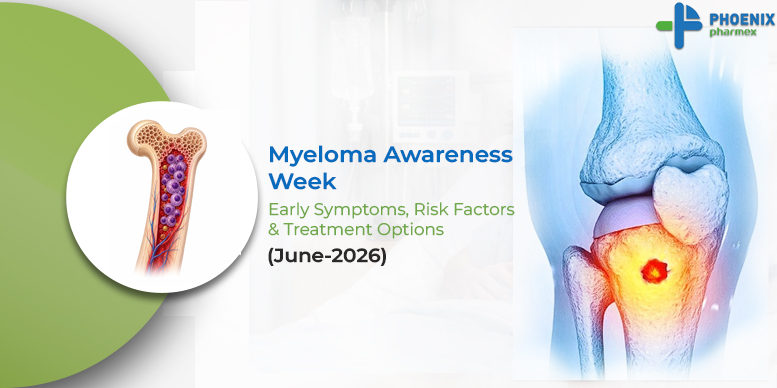
Myeloma, also known as multiple myeloma, is a condition that affects plasma cells, a type of white blood cell found in the bone marrow. These cells play an important role in helping the body respond to infections. In myeloma, some of these plasma cells begin to grow differently and gradually accumulate within the bone marrow.
Over time, this can influence several key functions in the body, including bone strength, blood cell production, and immune function. These changes do not happen suddenly or all at once they develop slowly. This gradual nature is important because it allows space for observation, understanding, and timely evaluation when needed, helping you approach the condition with clarity rather than urgency.
Myeloma Symptoms Explained
Inside the bone marrow, blood cells are normally produced in a balanced way. When plasma cells grow abnormally, they begin to crowd this space and affect normal cell production.
What Happens in the Body:
Reduced red blood cells - may cause fatigue
Changes in bone structure - may lead to bone pain or discomfort
Reduced immune function - may increase the risk of infections
Common Symptoms to Notice:
Persistent tiredness
Bone pain (especially in the back or ribs)
Frequent infections
Unexplained weakness
Increased thirst or kidney-related changes
These symptoms can occur in many other conditions as well.
Myeloma Diagnosis and Treatment
When symptoms persist, healthcare professionals follow a structured and thoughtful approach to understand what is happening step by step, without rushing to conclusions.
Initial Evaluation May Include:
Blood tests to check cell levels and specific protein markers
Urine tests to assess kidney function
Imaging tests to examine bone health
If further clarity is needed, a bone marrow examination may be performed to understand changes at the cellular level.
If a Diagnosis Is Confirmed, Care May Include:
Medication-based therapies
Targeted treatments
Supportive care for bones and immune health
Regular monitoring over time
Each step builds on the previous one. Nothing is assumed without confirmation, and every decision is made with clarity not urgency so that care remains steady, informed, and well-guided.
Why Every Case of Myeloma Is Different
Myeloma can vary widely between individuals, and no two cases follow exactly the same path. Some cases progress slowly and may only require regular monitoring, while others need more active treatment. In some situations, the condition can remain stable for extended periods. These differences depend on factors such as the stage at detection, overall health, response to treatment, and the specific characteristics of the condition. Early detection often allows for better planning and management. This variation does not mean unpredictability—it simply means that care is thoughtfully adapted to each individual situation.
Myeloma Evaluation Guide
If you are undergoing evaluation, it is completely natural to feel uncertain at times. There may be waiting periods between tests, medical terms that feel unfamiliar, and multiple discussions before clarity is reached. This phase can feel emotionally heavy but it is also a step-by-step process designed to build understanding over time.
What can help during this phase is keeping track of your symptoms and how often they occur, asking questions until explanations feel clear, taking time to understand before making decisions, and bringing someone you trust to appointments for support. You are not expected to understand everything at once. Clarity develops gradually, and with each step, uncertainty begins to ease, helping you move forward with more confidence.
Living Beyond Myeloma
Awareness of conditions like myeloma gradually becomes part of your overall understanding of health; it does not define your daily life. People continue to work, spend time with family, maintain their routines, and plan for the future. Even for those undergoing treatment, many return to stable and meaningful routines over time with the right support.
Awareness is not about expecting something serious; it is about noticing patterns and responding early. When changes are checked in time, options become clearer. And when options are clearer, a natural sense of control and confidence begins to return, allowing life to move forward with balance.
A Grounded Perspective on Myeloma Awareness
Myeloma Awareness Week 2026 is not a reminder to worry about every ache or moment of fatigue, it is a reminder to observe with clarity and respond with balance. It encourages you to notice patterns that persist, seek evaluation calmly when needed, and replace uncertainty with understanding. Most symptoms have simple and everyday explanations. And when something does require attention, it is addressed through a structured and thoughtful medical process. Calm awareness is always more helpful than silent worry, allowing you to move forward with confidence and clarity.
Frequently Asked Questions About Myeloma
1. Is fatigue always a sign of myeloma?
No. Fatigue is very common and is often linked to lifestyle factors, stress, or other health conditions. However, if it is persistent, unexplained, or worsening over time, it is advisable to get it evaluated.
2. Is bone pain always serious?
No. Bone pain can result from many non-serious causes such as strain or minor injuries. But persistent, unexplained, or recurring pain should be assessed to understand the cause clearly.
3. Can myeloma be detected early?
Yes. Myeloma can often be identified through blood tests and evaluation of ongoing symptoms. Early attention helps in timely diagnosis and management.
4. Is myeloma treatable?
Yes. There are several treatment options available that can help manage the condition effectively. Treatment plans are usually personalized based on individual needs.
5. What should I do if I feel unsure about symptoms?
You can begin with a simple consultation. Discussing your symptoms with a healthcare professional helps bring clarity and guides the next steps.
Reference
https://dsresearchcentre.com/blogs/-multiple-myeloma-awareness--when-strength-quietly-slips-away
https://www.myeloma.org.uk/how-you-can-help/help-shape-our-work/myeloma-awareness-week/
Disclaimer:
The information in this article is provided for educational and awareness purposes only and should not be considered medical advice, diagnosis, or treatment guidance. Health conditions vary among individuals, and readers should consult qualified healthcare professionals for personalized medical recommendations. Phoenix Pharmex supports access to reliable health information but does not provide medical consultation through this content. Any medicines or therapies mentioned are for informational reference only and should be used under the supervision of licensed medical practitioners.











.png)







.png)

.png)


 Login with Facebook
 Login with Google
