
World Ovarian Cancer Day 8 May 2026: Signs, Risk Factors & Awareness Guide

20 Apr 2026

8 Min. Read

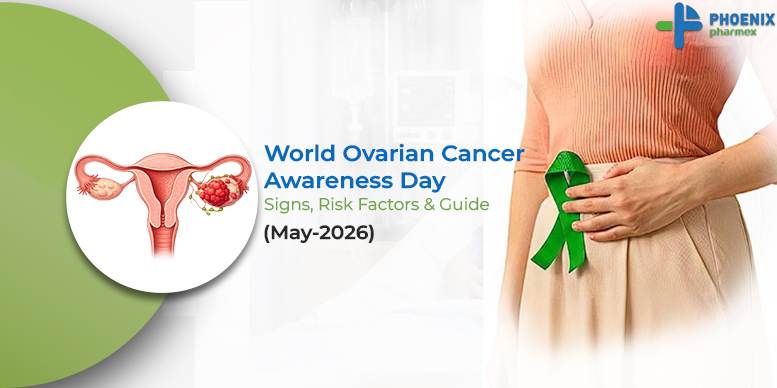
World Ovarian Cancer Day 2026: Signs, Risk Factors & Awareness Guide (8 May)
When the body speaks quietly, the mind often tries to fill the silence with worry but quiet signals are meant to be understood, not feared.
World Ovarian Cancer Day 2026
It rarely begins in a way that feels urgent. You might notice a feeling of fullness after small meals, mild bloating that lingers longer than expected, or a sense that something feels slightly different but not clearly wrong. At first, it is easy to adjust your routine, change your diet, and move on. But later, the thought may return. Should you pay more attention to this? The important misunderstanding is that these symptoms are very common and are often linked to digestion, hormonal shifts, or temporary imbalances. However, because ovarian health is not always discussed openly, even small changes can create quiet uncertainty. On World Ovarian Cancer Day (8 May 2026), the goal is not to create fear around these symptoms, but to bring clarity—so you can recognize patterns calmly and respond with confidence. Most symptoms have simple explanations, and when something does require attention, it can be evaluated step by step in a structured and reassuring way.
What Is Ovarian Cancer?
Ovarian cancer refers to the abnormal growth of cells in the ovaries small organs located on either side of the uterus that are responsible for producing eggs and regulating hormones involved in the menstrual cycle. In its early stages, ovarian changes often do not produce clear or specific symptoms. When symptoms do appear, they are usually subtle and can easily be mistaken for common digestive or hormonal issues. This is important to understand, as it does not mean something is being missed it simply means the body is communicating in a quieter way. And these quiet signals are best approached with observation and awareness, rather than urgency.
Why Ovarian Symptoms Occur
The ovaries work through a natural and balanced cycle of cell growth and renewal. However, sometimes certain cells begin to grow differently and continue multiplying instead of following their usual pattern. As this gradual process develops, it may affect nearby areas in the abdomen, leading to subtle and often easily overlooked symptoms.
Common Symptoms You May Notice:
Persistent bloating
Pelvic or abdominal discomfort
Feeling full quickly while eating
Changes in urinary habits
Mild, ongoing fatigue
These symptoms are very common in everyday life and are often linked to digestion, fluid retention, or hormonal changes. What truly matters is not a single symptom, but a pattern that continues over time. If these changes persist for weeks or feel different from your usual baseline, they are worth observing and, if needed, evaluating calmly.
How Ovarian Cancer Is Evaluated
If symptoms persist, healthcare professionals follow a structured and thoughtful approach designed to bring clarity at every stage. The process usually begins with a detailed discussion about your symptoms, their duration, frequency, and any changes you have noticed. This is often followed by a physical examination and imaging tests, such as a pelvic ultrasound, to better understand what may be happening.
What the Evaluation Process May Include:
Symptom discussion to understand patterns and changes
Physical examination for initial assessment
Imaging tests like pelvic ultrasound for deeper insight
Blood tests (e.g., CA-125) as supportive tools, not standalone confirmation
Further imaging or specialist referral if needed for clarity
If a diagnosis is confirmed, treatment planning is carried out step by step and may include surgery, medication-based therapies, or ongoing monitoring. Each stage is guided by clear information; there is no immediate rush to conclusions. The focus is on understanding first, so decisions can be made calmly and confidently.
Variation in Ovarian Health
Ovarian conditions can vary significantly from person to person, which is why each situation is approached individually. Some ovarian changes are benign, such as cysts that may resolve naturally, while others may require monitoring or more structured care over time. This variation is a normal part of how the body functions and responds to different factors.
Factors That May Influence Risk:
Age – Risk generally increases with age
Family history – Ovarian or breast cancer in close relatives
Genetic factors – Such as BRCA gene mutations
Hormonal and reproductive history
It is important to understand that having these risk factors does not mean a condition will develop, and not having them does not completely eliminate the possibility. This variation does not indicate unpredictability; it simply means that care is thoughtfully adapted to each individual situation, allowing for a more personalized and informed approach.
Preparing for Evaluation Without Fear
If you are going through evaluation, it is completely natural to feel uncertain. There may be waiting periods between tests, unfamiliar medical terms, and multiple discussions before clarity is reached. This phase can feel emotionally heavy, but it is also a structured part of the process designed to bring understanding over time.
What Can Help You Feel More in Control:
Track your symptoms and how often they occur
Ask questions until explanations feel clear
Bring a trusted person to appointments for support
Take your time before making decisions
You are not expected to understand everything at once. Understanding builds gradually, and with each step, uncertainty becomes smaller allowing you to move forward with greater clarity and confidence.
Living with Ovarian Health Awareness
Awareness of ovarian health gradually becomes a natural part of overall well-being. It means being familiar with your body, noticing changes, and responding calmly when something feels different. Daily life continues as usual work, family, routines, and future plans remain steady and uninterrupted. Even for individuals who may require treatment, many return to active and fulfilling lives with time, care, and support.
Awareness is not about expecting something serious, it is about reducing uncertainty through early attention. When something is checked early, the available options become clearer. And when options are clearer, a natural sense of control, confidence, and reassurance begins to return.
World Ovarian Cancer Day 2026
World Ovarian Cancer Day 2026 is not a reminder to worry about every symptom, but a gentle reminder to stay aware in a balanced way to notice patterns that persist, trust your understanding of your own body, seek evaluation calmly when needed, and replace silence with informed clarity. Most symptoms have simple and manageable explanations, and when something does require attention, it is approached through a structured and thoughtful medical process. Choosing calm awareness over silent fear helps you move forward with confidence, clarity, and a stronger sense of control over your health.
Frequently Asked Questions About Ovarian Cancer
1. Is bloating always a sign of ovarian cancer?
No. Bloating is very common and is usually linked to digestion, diet, or hormonal changes. Many people experience it occasionally without any serious cause. However, if bloating is persistent, occurs frequently, or feels different from your usual pattern, it should be evaluated. Paying attention to duration and consistency is important.
2. Are ovarian symptoms easy to recognize?
Ovarian symptoms are often subtle and can resemble common conditions such as indigestion or menstrual changes. Because they are not specific, they may be overlooked initially. The key factor is persistence symptoms that continue over time or gradually worsen should be discussed with a healthcare provider.
3. Can ovarian cancer be detected early?
Early detection of Ovarian Cancer can be challenging because symptoms are not always obvious in the early stages. However, being aware of ongoing or unusual changes in the body can lead to timely medical evaluation. Early attention helps in understanding the condition more clearly and planning appropriate care.
4. Should I get tested if I feel unsure?
Yes. If you feel uncertain about your symptoms, starting with a simple consultation is a good step. A healthcare professional can guide you on whether any tests are needed based on your symptoms and history. The goal is to gain clarity, not to assume a diagnosis.
5. Are all ovarian cysts cancerous?
No. Most ovarian cysts are non-cancerous (benign) and may resolve on their own without treatment. They are quite common and often part of normal ovarian function. However, some cysts may require monitoring or further evaluation depending on their size, appearance, and symptoms.
References
https://www.maxhealthcare.in/blogs/ovarian-cancer-types-stages-and-diagnosis
https://bmchrc.org/blog/ovarian-cancer-symptoms-early-warning-signs
https://www.medanta.org/pillar/ovarian-cancer-symptoms-causes-risk-factors-treatment-options
https://www.drishtiias.com/daily-updates/daily-news-analysis/ovarian-cancer-awareness-month
Disclaimer
The information in this article is provided for educational and awareness purposes only and should not be considered medical advice, diagnosis, or treatment guidance. Health conditions vary among individuals, and readers should consult qualified healthcare professionals for personalized medical recommendations. Phoenix Pharmex supports access to reliable health information but does not provide medical consultation through this content. Any medicines or therapies mentioned are for informational reference only and should be used under the supervision of licensed medical practitioners.






.png)


.png)

.png)
 Login with Facebook
 Login with Google
