
What is HIV & AIDS? The Basics Everyone Should Know

01 Apr 2026

8 Min. Read

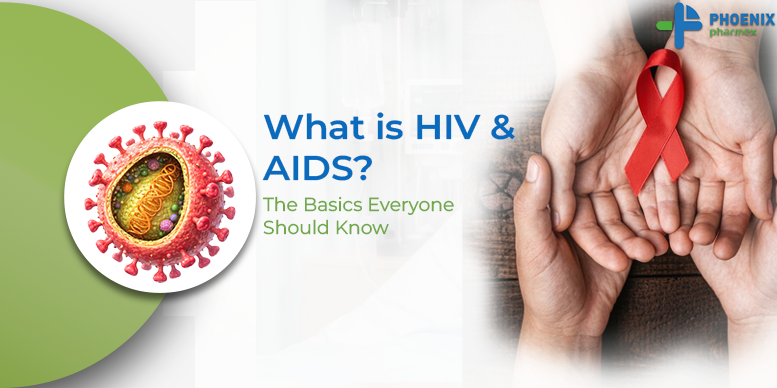
What is HIV & AIDS? The Basics Everyone Should Know
When a word carries fear, understanding can quietly replace it with clarity.
Understanding HIV: Breaking Common Myths
For many people, HIV often feels distant, something they have heard about in awareness campaigns or occasional discussions, but not something they relate to personally. Because of this distance, understanding remains limited, and the topic is often left unexplored. This creates a common misunderstanding that HIV only affects certain groups or “other people,” when in reality, it is a medical condition that can affect anyone and becomes far more manageable when properly understood. Today, more than 39 million people worldwide are living with HIV. This number is not meant to create fear, but to bring perspective and normalize awareness. When we begin to understand HIV clearly, it no longer feels unknown or overwhelming. Instead, it becomes something that can be managed with the right information, support, and approach.
What Exactly is HIV?
HIV stands for Human Immunodeficiency Virus.
Breaking it down simply:
Human – it affects people
Immunodeficiency – it affects the immune system (the body’s defense system)
Virus – it is a virus, not bacteria or something caused by lifestyle
HIV is different from many other viruses because it does not just cause temporary illness and leave the body. Instead, it focuses on a very specific part of the immune system. It targets the system that is meant to protect you. This does not mean immediate damage. It means gradual change.
What Does HIV Do to the Body?
To understand HIV, it helps to understand the immune system in simple terms. Your immune system is like a coordinated defense network. It uses different types of cells to identify and manage infections. Among these are CD4 cells (also called T-cells) ; these are key coordinators of the immune response. HIV enters these CD4 cells and uses them to replicate itself. Over time, this process reduces the number of healthy CD4 cells in the body. This happens gradually. Doctors monitor two important things:
CD4 count – how strong the immune system is
Viral load – how much virus is present in the blood
These measurements help guide care. They bring structure to something that might otherwise feel uncertain.
The Three Stages of HIV
HIV progresses in stages, and understanding them helps remove confusion.
Stage 1: Acute HIV Infection
This occurs within the first few weeks after infection. Some people may experience mild flu-like symptoms, while others may not notice anything at all.
Stage 2: Chronic HIV (Clinical Latency)
This stage can last for several years. The virus remains active but at lower levels. Many people feel completely normal during this time.
Stage 3: AIDS (Advanced Stage)
This stage occurs when the immune system becomes significantly weakened. Here is the important point: Not everyone with HIV reaches this stage. With proper treatment, many people never do. This is where understanding replaces fear.
What is AIDS?
AIDS stands for Acquired Immunodeficiency Syndrome.
Breaking it down:
Acquired – developed over time
Immunodeficiency – weakened immune system
Syndrome – a group of related health conditions
AIDS is defined when:
The CD4 count drops below 200 cells/mm³, or
Certain infections (called opportunistic infections) occur
These infections take advantage of a weakened immune system. But here is what matters: AIDS is not a separate disease. It is a stage of HIV. And with early diagnosis and treatment, many people never reach this stage.
HIV vs AIDS: Clearing the Confusion
It is common to hear HIV and AIDS used interchangeably, but they are not the same.
You can have HIV without having AIDS
If someone has AIDS, they have HIV, but at a more advanced stage
Understanding this distinction reduces unnecessary fear. HIV today is often managed long before it progresses. And management brings stability.
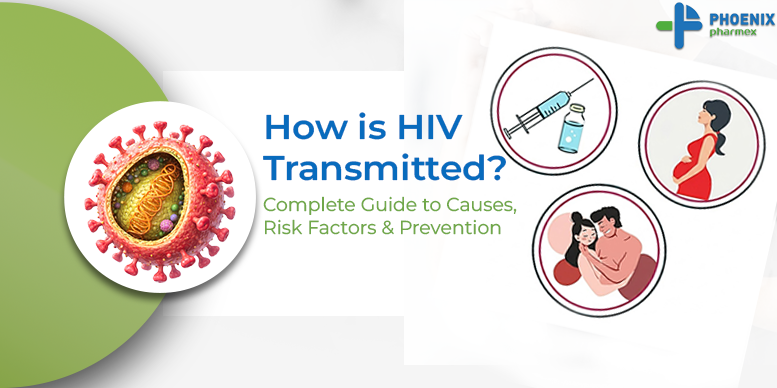
How HIV is Transmitted
HIV spreads through specific routes. Understanding them helps remove uncertainty.
Unprotected sexual contact (most common route)
Blood-to-blood contact (such as sharing needles)
Mother to child during pregnancy, childbirth, or breastfeeding
Transmission requires specific conditions. It does not happen casually. This clarity is important.
How HIV is NOT Transmitted
Equally important is understanding how HIV does not spread:
Hugging or shaking hands
Sharing food or water
Using the same toilet
Mosquito or insect bites
HIV is not transmitted through everyday contact. This knowledge reduces stigma. And stigma often comes from misunderstanding.
HIV Timeline: From Fear to Medical Progress
HIV was first identified in 1981 in the United States. In the early years, there was widespread uncertainty and fear, as limited knowledge led to confusion, stigma, and panic. Later, scientists traced the origin of HIV to a related virus (SIV) found in chimpanzees. Over time, continued research led to the development of antiretroviral therapy (ART), a treatment that helps control the virus.
Today, HIV is no longer considered a life-ending condition in the way it once was. With proper treatment, people can live long and healthy lives, the virus can be effectively controlled, and the risk of transmission can be significantly reduced. This transformation did not happen suddenly; it came gradually through deeper understanding and ongoing scientific progress.
HIV Management: A Clear and Steady Approach
HIV is not a condition that needs to be understood through fear, but rather through knowledge, testing, and proper treatment. With the right awareness and medical support, it becomes a manageable health condition instead of something overwhelming. Today, people living with HIV continue to work, build relationships, plan their futures, and lead full, meaningful lives.
Understanding HIV brings a sense of stability. When information is clear and accessible, it becomes easier to make informed decisions about health and well-being. This stability helps individuals approach the condition with confidence rather than uncertainty.
Frequently Asked Questions (FAQs)
1. Can HIV be cured?
At present, there is no complete cure for HIV. However, it can be effectively managed with antiretroviral therapy (ART). This treatment helps reduce the amount of virus in the body (viral load) to very low levels, allowing the immune system to stay strong. With consistent treatment, many people living with HIV can maintain good health and prevent the progression of the condition.
2. Can people with HIV live normal lives?
Yes, people living with HIV can lead long, healthy, and fulfilling lives. With early diagnosis and proper treatment, individuals can continue their daily routines, build careers, maintain relationships, and plan their future just like anyone else. Regular medical care and adherence to medication play a key role in ensuring a normal life expectancy.
3. Should I get tested even if I feel fine?
Yes, getting tested is important even if you feel completely healthy. HIV may not show noticeable symptoms for a long time, sometimes for years. Early testing helps in detecting the virus sooner, which allows for timely treatment and better health outcomes. It also helps prevent unknowingly passing the virus to others.
4. Is HIV the same as AIDS?
No, HIV and AIDS are not the same. HIV (Human Immunodeficiency Virus) is the virus that affects the immune system, while AIDS (Acquired Immunodeficiency Syndrome) is the most advanced stage of HIV infection. Not everyone with HIV develops AIDS, especially if they receive proper treatment early.
5. Is HIV still dangerous today?
HIV can still be serious if left untreated, as it weakens the immune system over time. However, with modern medical advancements and effective treatment options, HIV is now considered a manageable chronic condition. People who follow their treatment plan can live healthy lives and significantly reduce the risk of complications.
Closing Thought
HIV becomes far less overwhelming when it is properly understood. Awareness is not about fear, but about gaining clarity and making informed decisions about your health. If you have never been tested, consider it as a simple and responsible step toward better understanding your well-being. Knowing your status is not something to avoid it is something that gives you a sense of control and direction. Once you understand what HIV is, the next step becomes clearer: How do you recognize the early signs?
Reference
https://hivinfo.nih.gov/understanding-hiv/fact-sheets/hiv-and-aids-basics
https://my.clevelandclinic.org/health/diseases/4251-hiv-aids
https://www.hiv.gov/hiv-basics/overview/about-hiv-and-aids/what-are-hiv-and-aids
Disclaimer:
The information in this article is provided for educational and awareness purposes only and should not be considered medical advice, diagnosis, or treatment guidance. Health conditions vary among individuals, and readers should consult qualified healthcare professionals for personalized medical recommendations. Phoenix Pharmex supports access to reliable health information but does not provide medical consultation through this content. Any medicines or therapies mentioned are for informational reference only and should be used under the supervision of licensed medical practitioners.

.png)
.png)
.png)
 Login with Facebook
 Login with Google
