
Early Signs of HIV in Men and Women: Symptoms & Early Detection Tips

02 Apr 2026

8 Min. Read

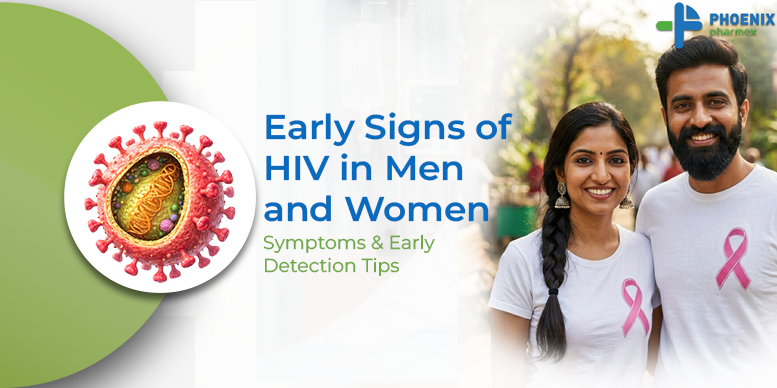
Early Signs of HIV in Men and Women: Symptoms & Early Detection Tips
When uncertainty enters the mind, the body often already has a timeline — and understanding that timeline can bring calm back.
The Moment of Uncertainty
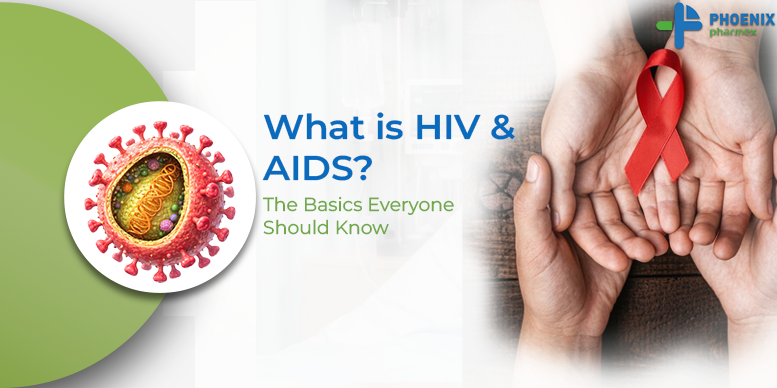
The moment of uncertainty often begins quietly, with a question you may not say out loud a situation you are unsure about, a symptom that feels slightly unusual, or a brief thought where you wonder whether to be concerned or if you are simply overthinking it. One of the most common misunderstandings about HIV is that it always presents clear or immediate signs, when in reality, many people feel completely normal for long periods. This is exactly why early detection is so important not because something urgent is necessarily happening right now, but because gaining clarity early makes everything more manageable later. This guide is designed to help you understand what to look for, how timing plays a role, and what steps you can take to regain a sense of control over your health.
HIV Window Period and Test Timing Guide
After HIV enters the body, there is a period during which it may not be immediately detectable on tests, known as the window period. During this time, the virus is present in the body, but standard tests may not yet be able to detect it, which can understandably feel confusing. A negative test result in this phase does not always mean the absence of infection; it may simply indicate that it is too early for detection. Different types of HIV tests have varying window periods: Nucleic Acid Tests (NAT) can detect the virus in approximately 10–14 days, antigen/antibody (4th generation) tests typically detect it within 18–45 days, and antibody-only tests may take up to 90 days. If there has been a recent potential exposure, doctors often recommend testing immediately and then repeating the test after the window period has passed. This approach is not about uncertainty, but about understanding the role of timing in accurate detection.
Understanding HIV Symptoms Over Time
HIV does not follow a single pattern that everyone experiences in the same way; instead, it progresses through different phases that can vary from person to person. In the early (acute) stage, symptoms may appear but often resemble a mild illness, making them easy to overlook. This is followed by the latent phase, where there are often no noticeable symptoms at all, even though the virus remains active in the body. If left untreated over time, advanced symptoms may eventually develop. The key point to understand is that HIV does not always feel serious in the beginning, and in many cases, it may not feel like anything at all, which is why awareness and timely testing are so important.
Acute HIV Symptoms (Weeks 2–4 After Exposure)
In the early weeks after exposure, some people may experience symptoms that resemble a mild viral illness.
These can include:
Fever (often the first noticeable sign)
Swollen lymph nodes (neck, armpits, groin)
Sore throat
Skin rash (usually on the chest or back)
Muscle and joint discomfort
Fatigue and headaches
Night sweats
Mouth ulcers
These symptoms are often mistaken for the flu or a seasonal infection, which is completely understandable because they are not specific and can resemble many common illnesses. However, an equally important point to remember is that not everyone experiences these symptoms at all. Some individuals may feel completely normal during this phase, without any noticeable changes in their health. This means that the absence of symptoms does not confirm the absence of infection, highlighting the importance of awareness and appropriate testing when needed.
Early Symptoms in Men
In some men, additional symptoms may appear, although they are not always present.
These may include:
Genital ulcers or sores
Urethral discharge
Testicular discomfort or swelling
However, many of these symptoms can also be associated with other infections or underlying conditions, which can make it difficult to identify the exact cause without proper evaluation. There is also a behavioral aspect to consider, as men are often less likely to seek early testing, particularly when symptoms are mild, unclear, or easy to dismiss. This kind of delay is quite common and entirely understandable. However, opting for early testing can provide clarity much sooner, helping to reduce uncertainty and support timely, informed decisions about health.
Early Symptoms in Women
Women may experience symptoms that are often mistaken for common gynecological conditions.
These may include:
Recurrent vaginal infections (such as yeast infections)
Bacterial imbalances
Pelvic discomfort or inflammatory symptoms
Changes in menstrual patterns
Because these symptoms are common, they are often managed without considering potential underlying causes, which can delay accurate understanding. This is why awareness plays an important role in overall health. During pregnancy, HIV testing is routinely recommended—not as a sign of concern, but as a standard part of preventive care aimed at protecting both the mother and the baby. It is a proactive step focused on safety and early clarity, not an assumption of risk.
HIV Without Symptoms
After the early phase, HIV can enter a long period where no symptoms are noticeable. This phase can last many years.
During this time:
A person may feel completely healthy
Daily life continues as usual
There may be no visible signs at all
This is often the most misunderstood stage, as feeling well does not always reflect what is happening internally. During this phase, even in the absence of noticeable symptoms, transmission is still possible. This highlights why testing is not only important when you feel unwell, but also as a regular part of awareness and responsible health management.
Signs That HIV May Be Progressing
If HIV remains untreated over time, more noticeable symptoms may develop. These are not early signs, but indicators that the immune system needs attention.
They may include:
Unexplained weight loss
Persistent diarrhea lasting more than a week
Ongoing fatigue that does not improve
Recurrent fever or night sweats
Oral thrush (white coating in the mouth)
Blurred vision or eye discomfort
Persistent dry cough
These symptoms do not confirm HIV on their own, but they can indicate the need for further evaluation. Seeking proper assessment helps move from uncertainty to understanding, as evaluation is what ultimately brings clarity and supports informed decisions about your health.
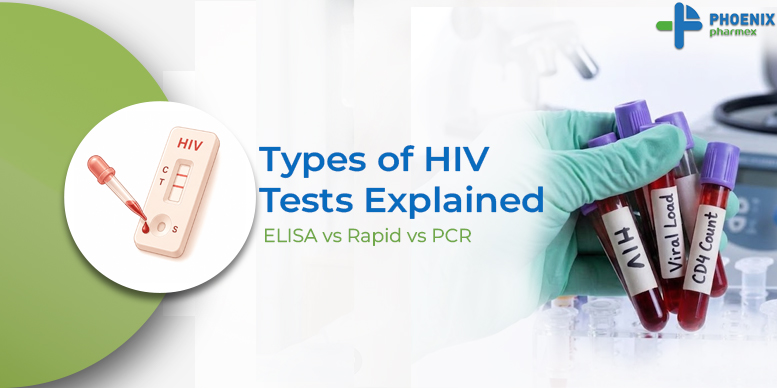
HIV Test Options Explained
Symptoms can guide awareness. But testing provides answers.
There are several types of HIV tests:
Antibody tests
Antigen/Antibody (4th generation) tests
NAT tests (detect the virus directly)
Testing can be done:
At clinics
Through home test kits
At diagnostic centers
If there has been a recent possible exposure, doctors may also consider Post-Exposure Prophylaxis (PEP) within a limited time window, as it can help reduce the risk of infection when started promptly. HIV testing today is confidential, often simple, and widely accessible across healthcare settings. Choosing to get tested is not a sign of fear, but a practical and responsible step toward clarity and better understanding of your health.
What Happens If HIV Test Is Positive?
If a test comes back positive, it can feel overwhelming at first, and that reaction is completely natural. What is important to understand is that HIV today is a manageable condition. With early and consistent treatment, such as Antiretroviral Therapy (ART), the virus can be effectively controlled, the immune system can be supported, and individuals can lead long, healthy lives. The next steps typically involve starting treatment, discussing ongoing care with a healthcare provider, and, with appropriate guidance and support, informing recent partners. Medical and emotional support systems are available throughout this process, and you do not have to navigate it alone.
A Grounded Perspective
Recognizing symptoms can be helpful, but symptoms alone do not provide certainty—testing is what brings clarity. Early detection does not create problems; instead, it helps prevent complications and supports timely care. Choosing to get tested is not a sign of risk, but a responsible step toward understanding and protecting your health.
Frequently Asked Questions (FAQs)
1. Can I have HIV without symptoms?
Yes. Many people with HIV may not experience noticeable symptoms for years. During this time, the virus can still affect the immune system, which is why testing is important even if you feel well.
2. When should I get tested after exposure?
Initial testing can be done within a few weeks after possible exposure. However, follow-up testing after the window period is recommended to confirm accurate results and ensure clarity.
3. Are early HIV symptoms easy to recognize?
Not always. Early symptoms can resemble common illnesses like the flu, including fever, fatigue, or sore throat. Because they are non-specific, they are often overlooked.
4. Is testing confidential?
Yes. HIV testing is confidential and handled with privacy. Many clinics and healthcare centers offer testing in a secure and supportive environment.
5. What should I do if I feel unsure?
You can begin with a simple test. Testing provides clear information and helps you take the next steps calmly, without assumptions.
Reference
https://hivinfo.nih.gov/understanding-hiv/fact-sheets/hiv-and-aids-basics
https://my.clevelandclinic.org/health/diseases/4251-hiv-aids
https://www.hiv.gov/hiv-basics/overview/about-hiv-and-aids/what-are-hiv-and-aids
Disclaimer:
The information in this article is provided for educational and awareness purposes only and should not be considered medical advice, diagnosis, or treatment guidance. Health conditions vary among individuals, and readers should consult qualified healthcare professionals for personalized medical recommendations. Phoenix Pharmex supports access to reliable health information but does not provide medical consultation through this content. Any medicines or therapies mentioned are for informational reference only and should be used under the supervision of licensed medical practitioners.



.png)
.png)
.png)

 Login with Facebook
 Login with Google
