
Gallbladder & Bile Duct Cancer Awareness 2026: Don’t Ignore These Silent Symptoms

14 Feb 2026

5 Min. Read

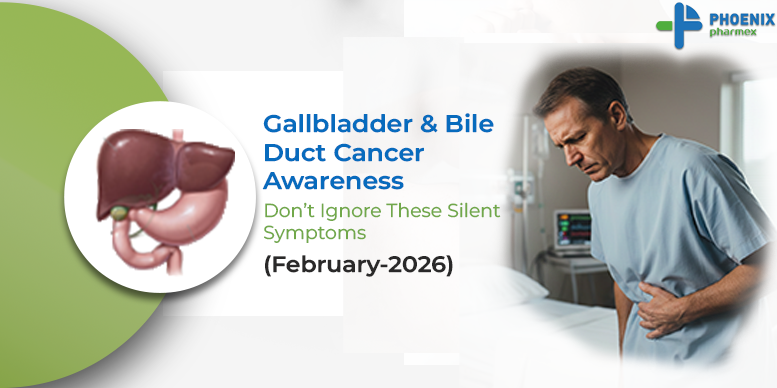
Gallbladder & Bile Duct Cancer Awareness 2026: Don’t Ignore These Silent Symptoms
Gallbladder Cancer
The gallbladder is a small storage organ that holds bile, a fluid that helps digest fats. Sometimes, cells lining the gallbladder change gradually over time and begin growing in an unregulated way. These changes are often slow and may not cause noticeable symptoms early on.
This is why routine check-ups and attention to persistent digestive discomfort can be helpful.
Small signals matter.
Bile Duct Cancer (Cholangiocarcinoma)
Bile ducts are thin channels that carry bile from the liver and gallbladder to the intestine. Because these ducts are narrow, even small structural changes can influence how bile flows, sometimes leading to gradual symptoms such as jaundice or digestive changes.
These cancers are uncommon, and many digestive symptoms people experience are caused by non-cancerous conditions.
Evaluation brings certainty.
Causes of Silent Symptoms
In many digestive conditions, including gallbladder and bile duct cancers, the body adjusts slowly to small internal changes. Because the organs involved are small and flexible, noticeable discomfort may appear only after some time.
This does not mean the condition appears suddenly.
It usually develops step by step.
When early symptoms do appear, they often resemble common digestive concerns such as gas, mild abdominal discomfort, or appetite changes. Recognizing persistent patterns not occasional discomfort is what helps doctors decide whether further evaluation is needed.
Early Signs You Should Not Ignore
These symptoms do not automatically indicate cancer, but when they continue for several weeks, medical review helps clarify the cause:
Persistent discomfort or heaviness in the upper right abdomen
Unexplained weight loss
Loss of appetite
Ongoing nausea or indigestion that does not improve
Yellowing of the eyes or skin (jaundice)
Dark urine or pale stools
Persistent fatigue
The goal is not alarm, it is awareness.
Patterns guide decisions.
Diagnosis of Gallbladder & Bile Duct Cancer
When someone reports ongoing symptoms, doctors usually follow a structured and calm approach:
Medical history and physical examination to understand symptom duration and associated factors
Blood tests to check liver function and bile flow indicators
Imaging tests such as ultrasound, CT scan, or MRI to observe the gallbladder and bile ducts
Further specialized tests if needed to confirm findings
Most people complete these steps gradually, allowing time for interpretation and discussion before any treatment decisions are made.
Care is methodical, not rushed.
Cancer Outcomes and Risk Factors
No two patients have exactly the same situation. Differences in outcomes depend on:
The stage at which the condition is identified
Overall liver health
Presence of gallstones or long-term inflammation
General health and age
How the body responds to supportive therapies
Because these factors vary, treatment planning is always personalized.
Medicine adjusts to the person.
Treatment and Care Preparation
If treatment becomes necessary, it may include surgery, chemotherapy, targeted therapy, immunotherapy, or supportive care approaches. Doctors usually explain options step by step so patients and families can understand:
What the goal of treatment is
How the process is scheduled
What changes to expect during recovery
How side effects are monitored and adjusted
Knowing the process in advance often reduces uncertainty significantly.
Preparation restores control.
Living with Gallbladder & Bile Duct Cancer
Many individuals continue daily routines at work, family responsibilities, and personal activities while receiving treatment with appropriate adjustments. Recovery periods are structured, and supportive care focuses on nutrition, strength, and emotional well-being.
A diagnosis does not stop life’s direction.
It simply introduces a new phase of guided care.
With early recognition of symptoms, regular monitoring, and personalized treatment planning, many people manage the condition with increasing stability over time.
Understanding leads to steadiness.
Frequently Asked Questions (FAQs) About Gallbladder & Bile Duct Cancer
1. Are silent symptoms always a sign of cancer?
No. Many digestive symptoms are caused by common and treatable conditions such as gallstones, infections, or inflammation. Persistent symptoms simply indicate the need for evaluation.
2. Who is at higher risk of gallbladder or bile duct cancer?
Risk may increase in individuals with long-term gallstones, chronic bile duct inflammation, certain liver conditions, or family history, though many patients have no obvious risk factors.
3. Can these cancers be detected early?
Yes. When persistent symptoms are evaluated early using imaging and blood tests, detection can occur before complications develop.
4. What is the most important step if symptoms appear?
Monitoring how long symptoms last and discussing them calmly with a healthcare professional helps determine whether further tests are needed.
5. Can people live normal lives after treatment?
Many individuals gradually return to normal routines with medical follow-up, nutritional guidance, and supportive care.
Gentle Perspective
Awareness does not mean expecting illness; it means recognizing signals early so that evaluation can happen calmly and thoughtfully. Most digestive symptoms turn out to be manageable conditions, and when something more serious is detected, early understanding allows doctors to guide treatment in a structured and supportive way.
Clarity reduces fear. Monitoring restores confidence.
Reference
https://www.cancer.gov/types/liver/hp/bile-duct-treatment-pdq
https://www.mdanderson.org/cancer-types/bile-duct-cancer/bile-duct-cancer-treatment.html
https://www.cancer.org/cancer/types/bile-duct-cancer/treating/based-on-situation.html
https://www.cancerresearchuk.org/about-cancer/bile-duct-cancer/treatment
Disclaimer
The information in this article is provided for educational and awareness purposes only and should not be considered medical advice, diagnosis, or treatment guidance. Health conditions vary among individuals, and readers should consult qualified healthcare professionals for personalized medical recommendations. Phoenix Pharmex supports access to reliable health information but does not provide medical consultation through this content. Any medicines or therapies mentioned are for informational reference only and should be used under the supervision of licensed medical practitioners.





.png)


.png)
.png)

 Login with Facebook
 Login with Google
