No substitutes available



Inclusive of all taxes
1 Vial(s) Of 20ml



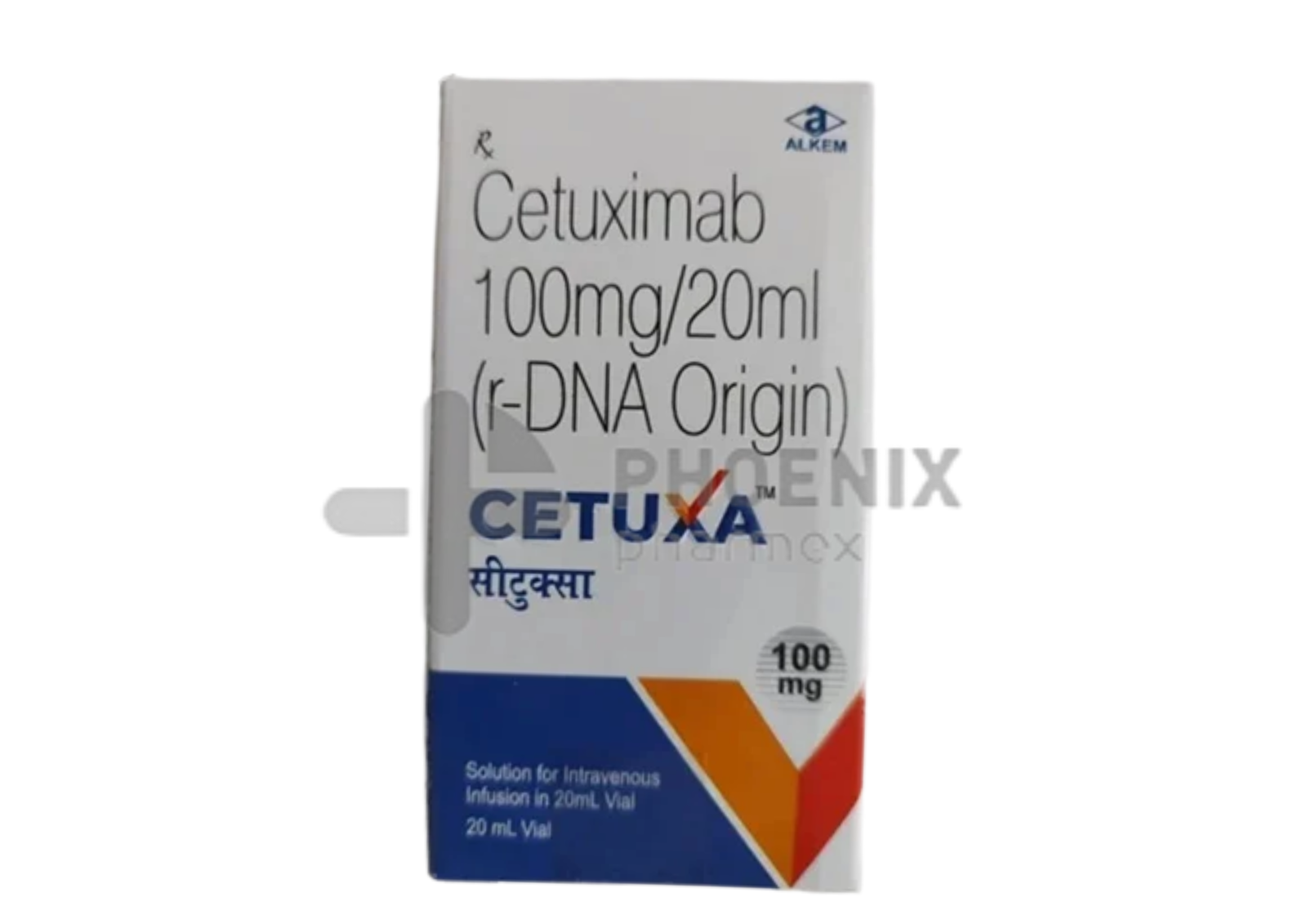
Cetuxa 100 mg Injection is an anticancer medicine containing cetuximab, a targeted therapy used to treat certain metastatic cancers. It is most commonly prescribed for colorectal (large intestine) cancer and head and neck cancers, especially specific squamous cell carcinomas. Cetuximab works by blocking the epidermal growth factor receptor (EGFR), a protein involved in cancer cell growth, thereby helping to slow or stop the progression of the disease.
Cetuxa 100 mg Injection is given as an intravenous (IV) infusion in a hospital or clinical setting under the supervision of an oncologist. The dosage and treatment schedule depend on the patient’s body weight, medical condition, and overall treatment plan, with close monitoring during and after infusion to manage possible reactions. Like other cancer therapies, side effects such as infusion reactions and skin rashes may occur, requiring regular follow-up. The Cetuxa 100 mg injection price in India may vary by hospital and supplier, and questions about Cetuxa vs Erbitux usually relate to brand availability and cost, as both contain the same active ingredient.
Cetuxa 100 mg Injection (20 ml) contains cetuximab, a targeted anticancer medicine that binds to the epidermal growth factor receptor (EGFR) on cancer cells, blocking the signals responsible for their growth and division. By inhibiting EGFR, Cetuxa helps prevent cancer cells from multiplying and spreading, thereby slowing tumor progression and supporting effective cancer treatment under the supervision of an oncologist.
Side Effects of Cetuxa 100mg Injection
Serious Side Effects (Seek immediate medical attention):
Common Side Effects (Usually mild and temporary):
The dosage of Cetuxa 100 mg Injection is determined by the oncologist based on the patient’s body weight, cancer type, and overall treatment plan. It is administered as an intravenous (IV) infusion in a hospital or clinical setting, usually starting with an initial loading dose followed by maintenance doses at regular intervals, with close monitoring to manage any infusion-related reactions.

Breastfeeding is not recommended during treatment with Cetuxa and for some time after the last dose, as cetuximab may pass into breast milk and could harm the baby.

There is no direct interaction known between Cetuxa and alcohol, but alcohol should be avoided or limited as it may worsen side effects like fatigue, nausea, or dehydration during cancer treatment.

Cetuxa should be used with caution in patients with liver problems. Regular monitoring of liver function may be required during treatment.

Cetuxa does not usually affect the ability to drive, but if you experience fatigue, dizziness, or weakness, avoid driving or operating heavy machinery.

Cetuxa is not recommended during pregnancy, as it may harm the unborn baby. Effective contraception should be used during treatment and for the period advised by your doctor after completing therapy.
Cetuxa 100 mg Injection is used to treat certain types of cancer, mainly metastatic colorectal cancer and head and neck squamous cell cancer, either alone or in combination with other cancer treatments.
Cetuxa is given as an intravenous (IV) infusion in a hospital or clinic under the supervision of an oncologist, with monitoring during and after the infusion.
Common side effects include skin rash, dry or itchy skin, fatigue, fever, nausea, diarrhea, and mild infusion reactions. Most side effects are manageable with medical care.
Yes, though rare, serious side effects may include severe allergic or infusion reactions, electrolyte imbalance, lung problems, or serious skin infections. Immediate medical attention is required if these occur.
Cetuxa is not recommended during pregnancy or breastfeeding, as it may harm the unborn baby or infant. Effective contraception should be used during treatment.
Cetuxa should be stored in a refrigerator at 2°C to 8°C, protected from light, and should not be frozen. Storage and handling are usually managed by healthcare providers.
| Active ingredient | Cetuximab |
| Pharmacologic class | Monoclonal antibody |
| Medication category | ANTI NEOPLASTICS |
| Dosage forms | Injection |
The information on the Phoenix Pharmex website is shared for educational purposes only and is not a substitute for professional medical advice or treatment. Always consult a doctor for any health-related questions. Please avoid self diagnosis or delaying medical care based on this content. Our mission is to support informed decisions not replace professional medical guidance.
Azadine 100mg Injection contains Azacitidine which belongs to the group of medicines called Anticancer agents. It is used in adults to treat all sub-types of myelodysplastic syndromes (MDS; group of cancers associated with blood and bone marrow) and certain types of blood cancers known as Chronic myelomonocytic leukemia (CMML) and acute myeloid leukemia (AML).
Azadine 100mg Injection is typically used in adults who cannot undergo stem cell transplantation. It may be also used to treat other conditions, as determined by the doctor.
Azadine Injection is given as an injection under the medical supervision of a doctor. Your doctor will decide what dose is necessary and how often you need to take it. This will depend on what you are being treated for and may change from time to time. You should take it exactly as your doctor has advised.
You must inform your doctor before taking any vaccination while on treatment with this medicine. Regular blood tests are required to check your blood cells along with the heart, liver, and kidney.
Before taking it, tell your doctor if you have liver, or kidney problems or are taking any medicines to treat infections. Many other medicines can affect, or be affected by, this medicine so let your doctor know all medications you are using.
Azadine 100mg Injection is an anticancer medication. It works by blocking the actions of certain enzymes (DNA/RNA methyltransferase) within the cancer cells that is required for the cells to grow and multiply. It also reduces the production of new genetic material (RNA and DNA) within the cells. As a result, it prevents abnormal cell division within the body, slows down the growth of cancer cells and helps the bone marrow to produce normal blood cells.
It is used to treat:
Side effects are unwanted symptoms caused by medicines. Even though all drugs cause side effects, not everyone gets them.
Ques 1: What is the use of AZADINE 100MG INJECTION?
Ans :AZADINE 100MG INJECTION is used in adults to treat all sub-types of myelodysplastic syndromes (MDS; group of cancers associated with blood and bone marrow) and certain types of blood cancers known as Chronic myelomonocytic leukemia (CMML) and acute myeloid leukemia (AML).
Ques 2: How does AZADINE 100MG INJECTION works?
Ans :AZADINE 100MG INJECTION is an anticancer medication. It works by blocking the actions of certain enzymes (DNA/RNA methyltransferase) within the cancer cells that is required for the cells to grow and multiply. It also reduces the production of new genetic material (RNA and DNA) within the cells. As a result, it prevents abnormal cell division within the body, slows down the growth of cancer cells and helps the bone marrow to produce normal blood cells.
Ques 3: Can I take AZADINE 100MG INJECTION during breastfeeding?
Ans :No. AZADINE 100MG INJECTION is not recommended for use in breast-feeding women. Therefore, inform your doctor before receiving it.
Ques 4: Can AZADINE 100MG INJECTION increase the risk of infections?
Ans :AZADINE 100MG INJECTION may cause a drop in the number of white blood cells in the body and may weaken your immune system. As a result, you may be at a greater risk of getting infected while receiving AZADINE 100MG INJECTION. To avoid this, your doctor will regular monitor your blood counts as a precaution. However, inform your doctor if you experience any signs of infection such as fever.
Ques 5: Can the use of AZADINE 100MG INJECTION make me feel tired?
Ans :Yes. AZADINE 100MG INJECTION may make you feel tired easily. This is because, it reduces the levels of red blood cells in your blood and may make you anemic. Consult your doctor if you experience tiredness after receiving AZADINE 100MG INJECTION. Tiredness can also occur if you have any pre-existing disease conditions such as liver or kidney impairment while receiving this medicine.
Ques 6: Can I drive a car after receiving AZADINE 100MG INJECTION?
Ans :AZADINE 100MG INJECTION may make you feel tired or weak. Therefore, do not drive or operate any heavy tools or machines if your ability is affected by AZADINE 100MG INJECTION.
Ques 7: How AZADINE 100MG INJECTION is administered?
Ans :AZADINE 100MG INJECTION will be given to you only by a doctor or a nurse beneath the skin (subcutaneously) of thighs, arms or abdomen.
Ques 8: How to control nausea caused due to AZADINE 100MG INJECTION?
Ans :Generally, anticancer medicines are associated with uncontrollable nausea and vomiting. To avoid this, your doctor would prescribe a suitable medicine to control them along with AZADINE 100MG INJECTION. If not, consult your doctor for a suitable anti-emetic medicine. Do not self-treat nausea.
Cetuxa 100 mg Injection is an anticancer medicine containing cetuximab, a targeted therapy used to treat certain metastatic cancers. It is most commonly prescribed for colorectal (large intestine) cancer and head and neck cancers, especially specific squamous cell carcinomas. Cetuximab works by blocking the epidermal growth factor receptor (EGFR), a protein involved in cancer cell growth, thereby helping to slow or stop the progression of the disease.
Cetuxa 100 mg Injection is given as an intravenous (IV) infusion in a hospital or clinical setting under the supervision of an oncologist. The dosage and treatment schedule depend on the patient’s body weight, medical condition, and overall treatment plan, with close monitoring during and after infusion to manage possible reactions. Like other cancer therapies, side effects such as infusion reactions and skin rashes may occur, requiring regular follow-up. The Cetuxa 100 mg injection price in India may vary by hospital and supplier, and questions about Cetuxa vs Erbitux usually relate to brand availability and cost, as both contain the same active ingredient.
Cetuxa 100 mg Injection (20 ml) contains cetuximab, a targeted anticancer medicine that binds to the epidermal growth factor receptor (EGFR) on cancer cells, blocking the signals responsible for their growth and division. By inhibiting EGFR, Cetuxa helps prevent cancer cells from multiplying and spreading, thereby slowing tumor progression and supporting effective cancer treatment under the supervision of an oncologist.
Side Effects of Cetuxa 100mg Injection
Serious Side Effects (Seek immediate medical attention):
Common Side Effects (Usually mild and temporary):
The dosage of Cetuxa 100 mg Injection is determined by the oncologist based on the patient’s body weight, cancer type, and overall treatment plan. It is administered as an intravenous (IV) infusion in a hospital or clinical setting, usually starting with an initial loading dose followed by maintenance doses at regular intervals, with close monitoring to manage any infusion-related reactions.
Breastfeeding is not recommended during treatment with Cetuxa and for some time after the last dose, as cetuximab may pass into breast milk and could harm the baby.
There is no direct interaction known between Cetuxa and alcohol, but alcohol should be avoided or limited as it may worsen side effects like fatigue, nausea, or dehydration during cancer treatment.
Cetuxa should be used with caution in patients with liver problems. Regular monitoring of liver function may be required during treatment.
Cetuxa does not usually affect the ability to drive, but if you experience fatigue, dizziness, or weakness, avoid driving or operating heavy machinery.
Cetuxa is not recommended during pregnancy, as it may harm the unborn baby. Effective contraception should be used during treatment and for the period advised by your doctor after completing therapy.
Cetuxa 100 mg Injection is used to treat certain types of cancer, mainly metastatic colorectal cancer and head and neck squamous cell cancer, either alone or in combination with other cancer treatments.
Cetuxa is given as an intravenous (IV) infusion in a hospital or clinic under the supervision of an oncologist, with monitoring during and after the infusion.
Common side effects include skin rash, dry or itchy skin, fatigue, fever, nausea, diarrhea, and mild infusion reactions. Most side effects are manageable with medical care.
Yes, though rare, serious side effects may include severe allergic or infusion reactions, electrolyte imbalance, lung problems, or serious skin infections. Immediate medical attention is required if these occur.
Cetuxa is not recommended during pregnancy or breastfeeding, as it may harm the unborn baby or infant. Effective contraception should be used during treatment.
Cetuxa should be stored in a refrigerator at 2°C to 8°C, protected from light, and should not be frozen. Storage and handling are usually managed by healthcare providers.
| Active ingredient | Cetuximab |
| Pharmacologic class | Monoclonal antibody |
| Medication category | ANTI NEOPLASTICS |
| Dosage forms | Injection |
The information on the Phoenix Pharmex website is shared for educational purposes only and is not a substitute for professional medical advice or treatment. Always consult a doctor for any health-related questions. Please avoid self diagnosis or delaying medical care based on this content. Our mission is to support informed decisions not replace professional medical guidance.

Life-Saving Medicines Expert

Affordable Patient-Centered Care

Authentic, Top-Quality Medicines

Careful & Timely Medicine Deliveries





 Login with Facebook
 Login with Google
