
Thyroid Cancer Awareness Month September 2026

29 Aug 2026

7 Min. Read

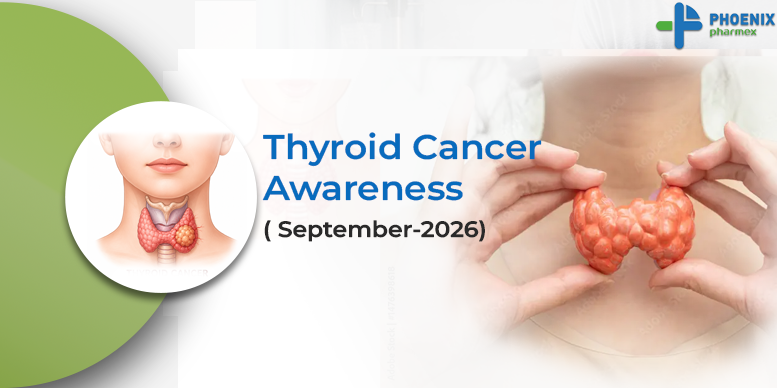
Thyroid Cancer Awareness Month September 2026
When something changes in the neck, it is natural to wonder what it means. But a lump, swelling, or voice change does not automatically point to something serious. Understanding what is common, what deserves attention, and how thyroid problems are evaluated can make the situation feel much more manageable.
Understanding Thyroid Nodules and Neck Lumps
Sometimes, a health concern begins with a change that seems easy to overlook—a small swelling at the front of the neck, a feeling of fullness while swallowing, or a lump that becomes noticeable when looking in the mirror. Naturally, you may wonder whether it is related to the thyroid, an infection, or simply something that will go away on its own. This uncertainty is understandable, especially because the thyroid is a small gland that most people rarely think about until they notice a change.
The important thing to remember is that most thyroid nodules are not cancerous. Thyroid nodules are common and are often discovered during routine checkups or imaging tests performed for other reasons. However, a persistent or unusual change in the neck should be properly evaluated rather than assumed to be harmless.
During Thyroid Cancer Awareness Month in September 2026, the goal is not to make every neck lump or swelling feel alarming. Instead, it is an opportunity to understand thyroid health, recognize possible signs of thyroid cancer, and learn what to expect during evaluation. Awareness creates clarity, and clarity can make it easier to respond calmly and make informed decisions about your health.
What Is the Thyroid?
The thyroid is a small, butterfly-shaped gland located at the front of the neck, just below the voice box. It produces hormones that help regulate important body functions such as metabolism, heart rate, body temperature, and energy use. Thyroid cancer develops when abnormal cells in the thyroid begin to grow uncontrollably. There are several types, including papillary thyroid cancer, the most common type, as well as follicular, medullary, and anaplastic thyroid cancers. These types can behave differently and may require different approaches to diagnosis and treatment. Therefore, finding a thyroid lump does not automatically mean cancer. Proper medical evaluation is needed to understand what the finding means and determine the appropriate next steps.
Why Can Thyroid Cancer Develop?
The thyroid contains different types of cells that normally grow and renew themselves in a controlled way. Sometimes, genetic changes can affect how these cells grow and divide, and in some cases, these changes may lead to thyroid cancer. The exact cause is not always known. However, certain factors may increase the risk, including previous exposure to significant radiation, certain inherited genetic conditions, and a family history of specific thyroid cancers. Age and sex may also influence risk, although thyroid cancer can develop in people without any known risk factors. Having a risk factor does not mean cancer will develop, just as having no known risk factors does not completely rule it out. Risk factors indicate probability, not certainty.
Symptoms of Thyroid Cancer
Thyroid cancer may not cause noticeable symptoms in its early stages and is sometimes discovered when a healthcare professional identifies a thyroid nodule during an examination or imaging done for another reason. When symptoms do occur, they may include a lump or swelling in the neck, a lump that gradually increases in size, persistent difficulty swallowing or breathing, unexplained neck discomfort, a lasting change in the voice, or swollen lymph nodes in the neck.
However, these symptoms can have many other causes. A neck lump may be a benign thyroid nodule, while voice changes can result from infections, irritation, or other conditions. Difficulty swallowing may also have several explanations. The key is not to diagnose yourself based on a list of symptoms, but to notice changes that persist and seek medical evaluation to understand what they mean.
How Is Thyroid Cancer Diagnosed?
When a thyroid nodule or other unusual change is identified, evaluation usually begins with a medical history and physical examination. An ultrasound of the thyroid is commonly used to assess the nodule’s size and appearance and identify features that may require further evaluation. Blood tests may also be performed to check thyroid function, although these tests alone cannot determine whether a nodule is cancerous. If further assessment is needed, a fine-needle aspiration (FNA) biopsy may be recommended to collect a small sample of cells for laboratory examination. This step-by-step approach helps provide a clearer understanding of the nodule. A thyroid nodule does not automatically mean cancer appropriate testing helps determine what it actually represents.
Life Beyond Thyroid Cancer Awareness
A thyroid cancer diagnosis can feel overwhelming at first, but for many people, it becomes one part of their health history rather than the definition of their lives. People can continue working, spending time with family, travelling, exercising, and planning for the future. Those who undergo thyroid surgery may need thyroid hormone replacement and regular follow-up, but these can become part of a routine healthcare plan over time. Thyroid cancer awareness is not about constantly checking your neck or worrying about every thyroid symptom. It is about recognizing unusual or persistent changes and understanding when medical evaluation may be appropriate. When you understand what to expect, uncertainty becomes easier to manage and confidence can gradually return.
A Grounded Perspective
Thyroid Cancer Awareness Month September 2026 is an opportunity to understand a condition that may feel unfamiliar or frightening. A neck lump or thyroid nodule does not automatically mean thyroid cancer, and a diagnosis does not mean that life has to stop. Most thyroid nodules are benign, and many types of thyroid cancer can be treated effectively, especially when identified early. The best approach is calm awareness: notice persistent changes, seek appropriate medical evaluation, understand the results, and allow treatment decisions to be guided by the actual findings. You do not need to turn every symptom into a diagnosis, you simply need to recognize when a change deserves a closer look.
Frequently Asked Questions (FAQs) About Thyroid Cancer
1. Is every thyroid nodule cancerous?
No. Most thyroid nodules are benign and do not indicate cancer. Ultrasound and, when needed, fine-needle aspiration can help determine whether further evaluation is required.
2. What are the common symptoms of thyroid cancer?
Possible symptoms include a persistent or enlarging neck lump, difficulty swallowing or breathing, neck discomfort, or a lasting change in voice. These symptoms can also occur due to many non-cancerous conditions.
3. Can thyroid cancer occur without symptoms?
Yes. Some thyroid cancers may not cause noticeable symptoms and are discovered during a routine examination or imaging performed for another reason.
4. Does a normal thyroid blood test rule out thyroid cancer?
No. Thyroid blood tests mainly assess how well the thyroid is functioning. They cannot, by themselves, determine whether a thyroid nodule is cancerous.
5. How is thyroid cancer diagnosed?
Diagnosis may involve a physical examination, thyroid ultrasound, blood tests, and fine-needle aspiration biopsy when indicated. These evaluations help doctors determine the nature of a thyroid nodule.
6. Is thyroid cancer treatable?
Yes. Thyroid cancer is treatable in many cases. Treatment depends on the type and extent of the cancer and may include surgery, radioactive iodine, thyroid hormone therapy, targeted medicines, or other approaches.
7. Should every neck lump be checked?
A new, persistent, or enlarging neck lump should be discussed with a healthcare professional. Evaluation is particularly important if it occurs with difficulty swallowing, breathing problems, or persistent voice changes.
8. Can people live normally after thyroid cancer treatment?
Many people continue to lead active and fulfilling lives after thyroid cancer treatment. Some may need long-term thyroid hormone replacement and regular follow-up, depending on their treatment and individual needs.
Reference
https://columbiasurgery.org/media-learning-center/thyroid-awareness-month-introduction
https://abiscans.com/blog/september-is-thyroid-cancer-awareness-month/
https://cinj.org/check-your-neck-september-thyroid-cancer-awareness-month
https://www.aacr.org/patients-caregivers/awareness-months/thyroid-cancer-awareness-month/
Disclaimer:
The information in this article is provided for educational and awareness purposes only and should not be considered medical advice, diagnosis, or treatment guidance. Health conditions vary among individuals, and readers should consult qualified healthcare professionals for personalized medical recommendations. Phoenix Pharmex supports access to reliable health information but does not provide medical consultation through this content. Any medicines or therapies mentioned are for informational reference only and should be used under the supervision of licensed medical practitioners.




.png)


.png)
.png)
 Login with Facebook
 Login with Google
