
Sarcoma Awareness Month July 2026: Symptoms, Causes & Early Detection

06 Jun 2026

8 Min. Read

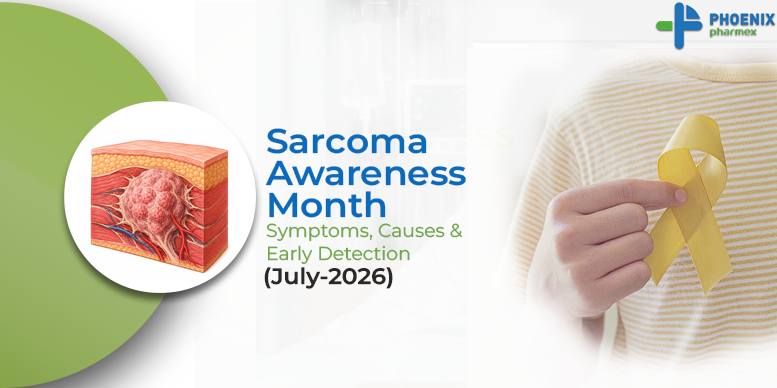
Sarcoma Awareness Month July 2026: Symptoms, Causes & Early Detection
When a change in the body doesn’t seem to fit a familiar explanation, the mind often fills the gap with uncertainty. Understanding what you’re noticing can make that uncertainty feel much smaller.
When a Lump Should Not Be Ignored?
Many people first notice a lump or swelling by chance while getting dressed, exercising, or simply going about their daily routine. Because these lumps are often painless and do not affect everyday activities, they can be easy to ignore. Some may remain unchanged for weeks, leading people to assume that if something does not hurt, it is probably not serious. However, this is a common misconception. Not all significant health changes cause discomfort, and while most soft tissue lumps are benign and unrelated to cancer, a lump that continues to grow, feels unusual, or persists without a clear cause deserves medical attention. During Sarcoma Awareness Month July 2026, the focus is not on creating fear around every lump or ache, but on raising awareness about the importance of recognizing persistent changes and seeking timely evaluation. Understanding what is normal and what may require further assessment can reduce uncertainty, support early detection, and provide valuable peace of mind.
What Is Sarcoma?
Sarcoma is a rare group of cancers that develop in the body's connective tissues.
These tissues include:
Muscles
Fat
Tendons
Blood vessels
Nerves
Bone
Cartilage
Unlike many cancers that begin in organs such as the lungs or colon, sarcomas develop in the structures that support and connect the body. There are more than 70 different types of sarcoma.
They are generally divided into two broad groups:
Soft tissue sarcomas, which develop in muscles, fat, blood vessels, or connective tissues
Bone sarcomas, which develop in bone tissue
This diversity is one reason sarcoma can be difficult to recognize early. Its symptoms often resemble much more common conditions.
Why Does Sarcoma Develop?
The body's tissues are constantly repairing and renewing themselves through a carefully controlled process of cell growth and division. Sometimes, however, certain cells begin to grow abnormally and continue multiplying when they should stop, eventually forming a tumour. When this occurs in soft tissues such as muscles, fat, nerves, or blood vessels, it may lead to sarcoma.
In most cases, there is no single known cause of sarcoma. However, factors such as previous radiation therapy, inherited genetic conditions, long-term exposure to certain chemicals, and chronic lymphoedema may increase the risk. It is important to remember that these are only risk factors, not guarantees. Many people with these risk factors never develop sarcoma, while others diagnosed with the disease have no identifiable risk factors at all.
Common Signs and Symptoms of Sarcoma
Sarcoma symptoms can vary depending on the tumour's location, size, and rate of growth. In many cases, symptoms develop gradually and may be mistaken for more common conditions. Being aware of potential warning signs can help ensure that persistent changes receive appropriate medical attention.
1. Unusual Lumps or Swelling
A painless lump or swelling in the arm, leg, abdomen, or other soft tissues
May grow larger over time
Often ignored until it begins to interfere with movement or causes discomfort
2. Persistent Bone Pain
Deep, aching pain in the bones, especially at night or during activity
May worsen with time
Can be a sign of bone sarcoma
3. Limited Mobility
Stiffness, restricted range of motion, or swelling in joints near the tumour
Often confused with sports injuries or arthritis
4. Unexplained Weight Loss or Fatigue
A general feeling of tiredness not related to exertion
Can occur as the cancer progresses
5. Numbness or Tingling
If the tumour presses on nerves, it may cause unusual sensations or weakness in nearby areas
It is important to remember that these symptoms are not unique to sarcoma and can be caused by a variety of other conditions. However, symptoms that persist, worsen, or remain unexplained should be evaluated by a healthcare professional.
Why Does Sarcoma Affect Everyone Differently?
Sarcoma is not a single disease but a diverse group of cancers that can develop in different types of tissues throughout the body. As a result, symptoms and experiences can vary significantly from one person to another.
These differences often depend on whether the sarcoma develops in soft tissue or bone, where it is located, how large it becomes, how quickly it grows, and the overall health of the individual. Some sarcomas may go unnoticed for a long time because they cause few symptoms in the early stages, while others are detected sooner because they affect movement, cause discomfort, or interfere with daily activities.
Although this variation can seem confusing, it does not mean sarcoma is completely unpredictable. Rather, it highlights the importance of individualized evaluation, as each case presents differently and requires a personalized approach to diagnosis and care.
How Sarcoma Is Evaluated and Diagnosed?
When a persistent lump or unexplained symptom requires further investigation, healthcare professionals follow a structured and systematic evaluation process. This approach helps gather accurate information and determine the cause of the symptoms.
This may include:
Physical examination
Ultrasound imaging
MRI or CT scans
Biopsy (removal of a small tissue sample for analysis)
The purpose of these tests is not to reach an immediate diagnosis, but to carefully assess the findings and build a clear understanding of the condition. If sarcoma is diagnosed, treatment planning is based on several factors, including the type of sarcoma, its location, and its stage.
Treatment options may include:
Surgery
Radiation therapy
Chemotherapy
Targeted therapies in specific cases
Each step of the process is guided by careful evaluation and informed decision-making. Understanding the condition comes before treatment, and this structured approach can help reduce uncertainty and support better outcomes.
Life Beyond Awareness
Sarcoma Awareness Month July 2026 is not about assuming that every lump or ache is a sign of cancer. Instead, it encourages people to become familiar with their body's normal patterns and pay attention to changes that persist over time. The reality is that most lumps are not cancerous, and most aches have causes unrelated to sarcoma. However, awareness plays an important role in ensuring that unusual or ongoing symptoms are evaluated appropriately. For those diagnosed with sarcoma, advances in diagnosis and treatment have significantly improved outcomes, allowing many individuals to continue leading active, fulfilling, and meaningful lives during and after treatment. Ultimately, awareness is not about fear, it is about understanding. And with greater understanding often comes a stronger sense of confidence, control, and peace of mind.
A Grounded Perspective
Sarcoma Awareness Month July 2026 serves as an important reminder that even rare conditions deserve attention and understanding. The goal is not to create concern around every symptom, but to encourage awareness of changes that persist over time. By understanding what sarcoma is, recognizing which symptoms may require medical evaluation, appreciating the importance of early detection, and learning how diagnosis and treatment are approached, individuals can make more informed health decisions. Most lumps and aches are not caused by sarcoma, and there is no need to worry about every physical change. However, paying attention to symptoms that persist or feel unusual and seeking professional guidance when needed can make a meaningful difference. Awareness is not about fear, it is about being informed, proactive, and confident in caring for your health.
Frequently Asked Questions (FAQs) About Sarcoma
1. What is the most common symptom of sarcoma?
One of the most common early signs of Sarcoma is a painless lump or swelling that gradually increases in size. In some cases, pain may develop later if the growth presses on nearby tissues, nerves, or muscles.
2. Is every lump a sign of sarcoma?
No. Most lumps are benign and may be caused by cysts, fatty growths, or other non-cancerous conditions. However, a lump that continues to grow, becomes larger, or persists over time should be evaluated by a healthcare professional.
3. Can sarcoma occur anywhere in the body?
Yes. Sarcoma can develop in muscles, fat, connective tissue, blood vessels, nerves, tendons, or bones. Because these tissues are found throughout the body, sarcoma can occur in many different locations.
4. Is sarcoma common?
No. Sarcoma is considered a rare type of cancer compared with many other cancers. Despite its rarity, awareness is important because early symptoms can sometimes be overlooked.
5. Can sarcoma be treated?
Yes. Treatment options may include surgery, radiation therapy, chemotherapy, targeted therapy, or a combination of these approaches. The treatment plan depends on the type, location, stage, and individual health condition.
Reference
https://bmchospitals.care/sarcoma-awareness-month-signs-symptoms-why-early-detection-matters/
https://dsresearchcentre.com/blogs/july-is-sarcoma-awareness-month
https://nationalcancercenter.org/july-is-sarcoma-cancer-awareness-month/
https://www.macmillan.org.uk/cancer-awareness/sarcoma-awareness-month
Disclaimer:
The information in this article is provided for educational and awareness purposes only and should not be considered medical advice, diagnosis, or treatment guidance. Health conditions vary among individuals, and readers should consult qualified healthcare professionals for personalized medical recommendations. Phoenix Pharmex supports access to reliable health information but does not provide medical consultation through this content. Any medicines or therapies mentioned are for informational reference only and should be used under the supervision of licensed medical practitioners.








.png)



.png)
.png)

 Login with Facebook
 Login with Google
