
What is ART in HIV Treatment? Benefits, Types & How It Works

14 May 2026

7 Min. Read

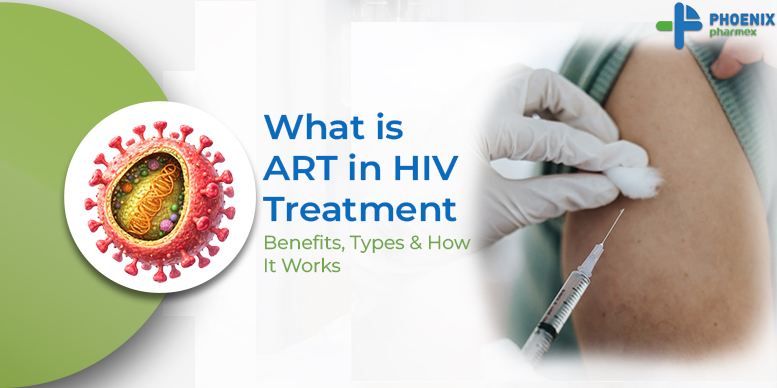
What is ART in HIV Treatment? Benefits, Types & How It Works
When people first hear the word “treatment,” they often imagine something overwhelming but HIV care today is built around stability, routine, and long-term support.
Understanding Antiretroviral Therapy (ART)
For many people, hearing about HIV treatment can immediately bring a wave of uncertainty. Thoughts often move quickly toward the future: Will life completely change? Will treatment always feel difficult? Will I still be healthy?
These questions are understandable. But one of the most important things to understand is that modern HIV treatment is no longer centered around constant crisis management. Today, treatment focuses on helping the body regain balance, supporting the immune system, and keeping the virus under control over time.
This treatment approach is called Antiretroviral Therapy (ART). Antiretroviral Therapy has transformed HIV care for millions of people worldwide, helping turn HIV from a life-threatening condition into a manageable long-term health condition.
That progress did not happen through urgency or fear. It developed through medical advancement, consistent treatment, regular monitoring, and a clearer understanding of how HIV can be managed step by step.
What Exactly Is ART?
ART stands for Antiretroviral Therapy.
Breaking the term down simply:
Anti = against
Retroviral = related to HIV, which is a retrovirus
Therapy = a treatment approach
ART is a combination of medicines designed to control HIV inside the body. It does not completely remove HIV, but it helps reduce the amount of virus known as the viral load to very low levels.
This is important because when HIV is well controlled:
The immune system stays stronger
The body remains healthier
The risk of complications decreases significantly
Modern HIV treatment is designed to support long-term stability and daily health over time. The focus today is not emergency survival, but consistent management, monitoring, and maintaining quality of life step by step.
How ART Works Inside the Body?
Antiretroviral Therapy works by interrupting the way HIV survives and spreads inside the body. HIV enters immune cells and uses them to make copies of itself. Over time, this process can weaken the immune system if the virus is not controlled.
Different ART medicines work at different stages of the HIV life cycle. Some medicines:
Prevent the virus from entering immune cells
Stop the virus from copying itself
Prevent new virus particles from forming properly
Because HIV can change quickly, treatment usually combines multiple medicines together. This combination approach helps:
Reduce viral activity
Prevent drug resistance
Keep treatment effective over the long term
Healthcare professionals monitor treatment using:
Viral load — the amount of HIV present in the blood
CD4 count — a measure of immune system strength
Over time, successful ART can reduce the viral load to an undetectable level, meaning the amount of HIV becomes so low that standard tests cannot reliably detect it. Reaching and maintaining this level can significantly improve long-term health outcomes and support a stronger, more stable immune system.
How ART Treatment Usually Begins?
When someone is diagnosed with HIV today, Antiretroviral Therapy is usually recommended as early as possible. The goal is to help control the virus, support the immune system, and improve long-term health outcomes from the beginning.
The treatment process often includes:
Blood tests and overall health assessment
Understanding viral load and CD4 count
Choosing an appropriate ART combination
Regular follow-up appointments and monitoring
Most modern ART regimens are much simpler and more manageable than many people expect. For many individuals, treatment may involve:
One or a few tablets taken daily
Regular but manageable monitoring
Ongoing communication with healthcare professionals
This structure is important because predictability often reduces fear and uncertainty. Over time, treatment routines become more familiar, helping HIV management fit into everyday life in a steady and structured way.
Types of Drugs Used in Antiretroviral Therapy (ART)
Antiretroviral therapy (ART) uses different HIV medicines to stop the virus from multiplying inside the body. Each drug works at a different stage of the HIV life cycle to help control infection and protect the immune system.
Main Types of ART Medicines
1. Entry Inhibitors
Block HIV from entering healthy CD4 immune cells
Stop the infection process at an early stage
Often used when HIV becomes resistant to other medicines
2. Capsid Inhibitors
Target the protective outer shell (capsid) of HIV
Prevent the virus from releasing its genetic material
Help stop HIV replication inside the body
3. NRTIs (Nucleoside Reverse Transcriptase Inhibitors)
Act as “fake” building blocks for HIV DNA
Interrupt the virus’s ability to make copies of itself
Commonly used as the foundation of ART treatment
4. NNRTIs (Non-Nucleoside Reverse Transcriptase Inhibitors)
Directly block the reverse transcriptase enzyme
Prevent HIV from multiplying effectively
Help reduce viral activity in the body
5. INSTIs (Integrase Strand Transfer Inhibitors)
Prevent HIV DNA from entering human DNA
Stop the virus from taking control of immune cells
Widely used due to strong effectiveness and good tolerance
6. Protease Inhibitors
Block the protease enzyme needed by HIV
Prevent new virus particles from maturing properly
Reduce the spread of infection to other cells
7. Pharmacokinetic Enhancers (Boosters)
Help other HIV medicines stay active longer
Slow down the breakdown of ART drugs in the body
Improve the effectiveness of HIV treatment
8. Combination Medicines
Combine two or more HIV drugs in one tablet
Reduce the number of pills taken daily
Make ART treatment simpler and more convenient
Common HIV Medicines Used in ART
Some commonly prescribed ART medicines include:
NRTIs: Abacavir, Lamivudine, Emtricitabine, Tenofovir
NNRTIs: Efavirenz, Rilpivirine, Nevirapine
INSTIs: Dolutegravir, Bictegravir, Raltegravir
Protease Inhibitors: Darunavir, Atazanavir
Boosters: Ritonavir, Cobicistat
Combination Tablets: Taffic Tablet , Inbec Tablet, Twinaqt Tablet.
Why ART Combination Therapy Is Important
Combination ART helps:
Reduce HIV viral load
Protect the immune system
Lower the risk of drug resistance
Improve long-term health outcomes
Modern HIV treatment is highly effective, and many people living with HIV can lead long, healthy lives with proper ART treatment.
What People Often Experience on ART?
Starting Antiretroviral Therapy may feel unfamiliar at first, but over time it often becomes part of a normal daily routine. Some people may experience temporary side effects such as mild nausea, headaches, sleep changes, or digestive discomfort. These effects are usually manageable and may improve as the body adjusts. The goal of ART is not only to control HIV, but also to support long-term health, stability, and overall well-being with ongoing medical support.
Life After Starting HIV Treatment
With effective Antiretroviral Therapy, many people living with HIV continue to work, build relationships, stay active, travel, and plan for the future. Consistent treatment helps keep the immune system strong, reduce viral load, and improve long-term health. Over time, HIV treatment becomes part of regular health management, with the focus shifting toward stability, support, and long-term well-being.
A Grounded Perspective
Antiretroviral Therapy is more than HIV medicine. It is a long-term treatment approach that helps protect the immune system and support overall health. With consistent treatment and care, many people living with HIV continue to live stable, healthy, and active lives. Understanding ART helps reduce uncertainty because treatment is about regaining stability and long-term health step by step.
Frequently Asked Questions (FAQs)
1. Can ART cure HIV?
No. Antiretroviral Therapy does not completely remove HIV from the body, but it helps control the virus effectively and supports long-term health.
2. How soon should HIV treatment begin?
Treatment is usually recommended as early as possible after diagnosis to help protect the immune system and reduce viral activity.
3. Can people on ART live normal lives?
Yes. Many people receiving ART continue to work, maintain relationships, stay active, and live long, healthy, and structured lives.
4. What does “undetectable” mean?
“Undetectable” means the amount of HIV in the blood becomes so low that standard viral load tests cannot reliably detect it.
5. Do ART medicines have side effects?
Some individuals may experience mild side effects when starting treatment, but many modern ART regimens are well tolerated and can be adjusted if needed.
Reference
https://my.clevelandclinic.org/health/treatments/antiretroviral-therapy
https://hivinfo.nih.gov/understanding-hiv/fact-sheets/hiv-treatment-basics
https://www.iapac.org/fact-sheet/antiretroviral-therapy-art/
Disclaimer:
The information in this article is provided for educational and awareness purposes only and should not be considered medical advice, diagnosis, or treatment guidance. Health conditions vary among individuals, and readers should consult qualified healthcare professionals for personalized medical recommendations. Phoenix Pharmex supports access to reliable health information but does not provide medical consultation through this content. Any medicines or therapies mentioned are for informational reference only and should be used under the supervision of licensed medical practitioners.







.png)



.png)
.png)

 Login with Facebook
 Login with Google
