
Sun Awareness Week 2026: Protect Your Skin from UV Damage & Skin Cancer

21 Apr 2026

7 Min. Read

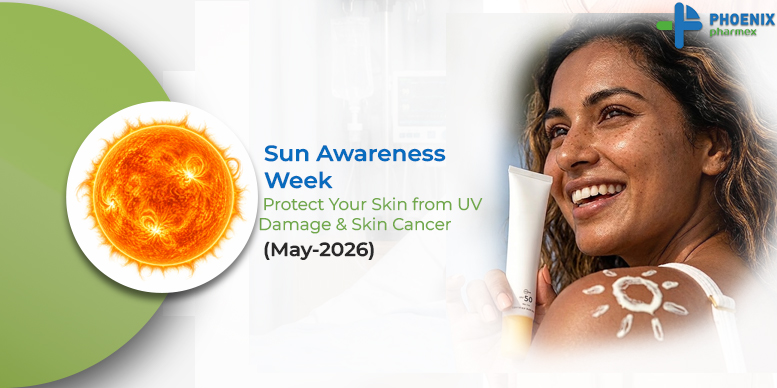
Sun Awareness Week 2026: Protect Your Skin from UV Damage & Skin Cancer
When the sun feels warm and familiar, it’s easy to forget that the skin responds to it quietly over time, not all at once.
Sun Awareness Week 2026
It often begins in the most ordinary way, stepping out into the morning sun, running errands without thinking about protection, or spending a little extra time outdoors simply because the weather feels pleasant. In those moments, nothing feels wrong. The warmth feels natural, even comforting, and because there is no immediate discomfort, it is easy to assume that everything is fine.
The key misunderstanding is that sun exposure does not always show its effects right away. The skin absorbs and responds to ultraviolet (UV) radiation gradually, often without visible signs in the beginning. During Sun Awareness Week 2026, the aim is not to avoid the sun or create fear around it, but to understand how your skin interacts with sunlight. This awareness helps you protect your skin calmly, without overthinking your daily routine because small, consistent habits often make a bigger difference than occasional reactions.
Understanding Sunlight and Your Skin
Sunlight feels simple and familiar, but it carries ultraviolet (UV) radiation, an invisible element that interacts directly with your skin every time you step outdoors. While you may not see or feel it immediately, UV exposure plays a gradual role in how your skin changes over time.
Types of UV Rays:
UVA rays – Penetrate deeper layers of the skin and contribute to premature aging
UVB rays – Affect the outer layer of the skin and are responsible for sunburn
Both types influence how skin cells grow, repair, and respond over time. This doesn’t mean that every moment in the sun is harmful, it simply means that your skin responds to cumulative exposure, or the total amount of sunlight you experience over days, months, and years.
When you understand this, the focus shifts naturally from worrying about occasional sun exposure to becoming mindful of long-term habits. And that awareness helps you protect your skin in a calm, practical, and sustainable way.
How UV Affects the Skin
The skin is naturally designed to protect itself. When exposed to sunlight, it produces pigment (melanin) as a defense mechanism to reduce damage. However, with repeated or prolonged exposure, this protective system can become less effective, and the way skin cells grow and repair themselves may begin to change over time.
Effects of UV Exposure on the Skin:
Alters cell growth and renewal
Contributes to premature aging
Increases the likelihood of abnormal cell changes
This process is gradual—not immediate, and often not visible in the early stages. That is why skin protection is not about reacting suddenly, but about maintaining consistent habits over time. Regular care, rather than occasional concern, is what helps support long-term skin health.
How Sun Protection Works
Protecting your skin from UV exposure doesn’t require complicated routines; it's a simple, structured approach built on small, consistent habits. These everyday adjustments help reduce the long-term effects of sun exposure while allowing you to continue your normal activities comfortably.
Practical Ways to Protect Your Skin:
Use sunscreen regularly, especially during peak sunlight hours
Wear protective clothing like hats and long sleeves
Seek shade when sunlight is strongest (typically midday)
Use sunglasses to protect your eyes and the surrounding skin
These are not restrictive rules; they are small, manageable changes. Over time, these simple habits support long-term skin health. You don’t need perfection; consistency is enough to make a meaningful difference.
Why Skin Responds Differently to Sunlight
Not all skin reacts to sunlight in the same way. Some people tan easily, while others burn quickly. Some may notice changes over time, while others may not see visible effects for years. This natural variation is part of how individual skin behaves and adapts to sun exposure.
Factors That Influence Skin Response:
Skin type and tone
Duration of sun exposure
Geographic location
Daily habits
Family history
This variation does not mean unpredictability, it simply means that each person’s skin has its own response pattern. When you understand your own pattern, it becomes easier to choose the right level of protection and care for your skin in a way that feels practical and effective.
Building Everyday Sun Awareness
If you are starting to pay more attention to sun exposure, it doesn’t require major changes or strict rules. It usually begins with small, practical awareness like noticing how long you are in direct sunlight, applying sunscreen before stepping out, reapplying it during extended outdoor time, and choosing shade whenever it is available. You don’t need to monitor every moment or overthink your routine. Instead, focus on recognizing patterns and making small adjustments where needed. Over time, these actions become part of your daily habits, and when protection becomes routine, it no longer feels like extra effort, it simply becomes a natural part of your day.
Living Comfortably with Sun Protection
Sun awareness does not mean stepping away from outdoor life or limiting your daily experiences. People continue to travel, exercise outdoors, spend time with family, and enjoy their regular routines just as before. The difference is not in avoiding the sun, but in interacting with it more thoughtfully. Over time, simple actions like applying sunscreen, choosing shade, or wearing protective clothing become natural much like carrying water or wearing comfortable shoes. Awareness is not about restriction; it is about balance, allowing you to enjoy your lifestyle while taking care of your skin in a calm and practical way.
A Grounded Perspective
Sun Awareness Week 2026 is not a reminder to fear sunlight, but an opportunity to understand it better and respond with balance. It encourages you to recognize how UV exposure works, build simple and consistent protection habits, and stay mindful of your skin’s long-term health. Most sun exposure is a natural part of everyday life, and with small, steady adjustments, it can remain that way without concern or disruption. Choosing calm awareness over occasional reactions helps you care for your skin in a practical, sustainable, and confident way.
Frequently Asked Questions About Sun Exposure
1. Is all sun exposure harmful?
No. Moderate sun exposure is a natural part of daily life and even helps the body produce vitamin D. The concern is with prolonged and repeated exposure without protection, which can damage the skin over time. Maintaining a balance is key.
2. Do I need sunscreen every day?
If you are regularly exposed to sunlight, using sunscreen daily can help protect your skin from harmful UV rays. This is especially important during outdoor activities or long hours in the sun. Even on cloudy days, UV exposure can still occur.
3. Can darker skin get sun damage?
Yes. All skin types can be affected by UV exposure, including darker skin tones. While the risk may vary, sun damage such as pigmentation, aging, or skin changes can still occur over time.
4. What time is sun exposure strongest?
Sun exposure is usually strongest between late morning and mid-afternoon, typically around 10 AM to 4 PM. During these hours, UV radiation is more intense, so extra protection is recommended.
5. Does sun protection mean staying indoors?
No. Sun protection does not mean avoiding outdoor life. It simply means taking practical steps like wearing protective clothing, using sunscreen, and seeking shade when needed.
Reference
https://www.twinkl.co.in/event/national-sun-awareness-week-2-2026
https://www.eparenting.co.uk/parenting/sun_awareness_week.php
https://nationaltoday.com/sun-awareness-week/#sun-awareness-week-timeline
Disclaimer:
The information in this article is provided for educational and awareness purposes only and should not be considered medical advice, diagnosis, or treatment guidance. Health conditions vary among individuals, and readers should consult qualified healthcare professionals for personalized medical recommendations. Phoenix Pharmex supports access to reliable health information but does not provide medical consultation through this content. Any medicines or therapies mentioned are for informational reference only and should be used under the supervision of licensed medical practitioners.





.png)

.png)
.png)
 Login with Facebook
 Login with Google
