
Skin Cancer Awareness Month 2026: Symptoms, Diagnosis & Treatment Guide

16 Apr 2026

7 Min. Read

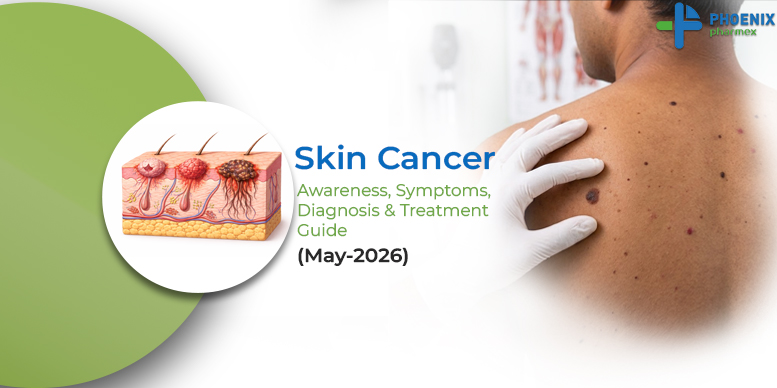
Skin Cancer Awareness Month 2026: Symptoms, Diagnosis & Treatment Guide
When a change appears on the skin, it may feel concerning—but most changes develop gradually, giving you time to observe, understand, and respond calmly.
Skin Cancer Awareness
It often begins with something you almost ignore: a spot that looks slightly darker, a mole that feels a little different, or a patch of skin that doesn’t heal the way it used to. At first, it seems minor, as skin changes are common due to sun exposure, dryness, or simple irritation. But later, you may find yourself looking again and wondering whether it is just normal or something that needs attention. The key misunderstanding is that while most skin changes are harmless and part of natural variation, a change that persists, evolves, or stands out from your usual pattern deserves observation, not fear. During Skin Cancer Awareness Month 2026, the aim is not to make you question every spot on your skin, but to help you understand what to notice, how to interpret changes calmly, and when to seek evaluation. Most findings are not serious, and when something does require attention, it can often be addressed early and effectively, bringing clarity and reassurance.
What Is Skin Cancer?
Skin cancer refers to the abnormal growth of skin cells, most often developing in areas that are regularly exposed to sunlight. It is not a single condition, but includes different types such as basal cell carcinoma, squamous cell carcinoma, and melanoma, each of which behaves differently but begins with changes in how skin cells grow, repair, and renew themselves over time.
What makes skin cancer unique is its visibility. Unlike many other conditions, these changes often appear on the surface of the skin, making them easier to notice in the early stages. This visibility is important; it gives you time to observe, recognize patterns, and seek evaluation if needed. It is not something hidden deep within the body, but something you can monitor with awareness. And that ability to notice early changes plays a key role in early detection, timely care, and better outcomes.
Understanding the Process Behind Skin Cancer
The skin is constantly renewing itself, with cells growing, repairing, and replacing older ones in a balanced and controlled way. However, exposure to ultraviolet (UV) radiation from sunlight or tanning devices can sometimes damage the DNA of these skin cells. Over time, this damage may affect how cells grow and divide, and when this process becomes unregulated, it can lead to abnormal growth.
Factors That May Influence These Changes:
Prolonged sun exposure
Frequent sunburns
Use of tanning beds
Fair or sensitive skin
Family history
Multiple or unusual moles
It is important to understand this with balance—not everyone with these risk factors develops skin cancer, and some people without clear risk factors may still notice changes. Skin variations are common and often harmless. What truly matters is recognizing patterns that persist or evolve over time, allowing for calm observation and timely evaluation when needed.
How Skin Cancer Is Diagnosed
When a skin change is noticed and does not resolve over time, healthcare professionals follow a structured and careful approach to understand it clearly. The process usually begins with a visual examination, where a dermatologist may use a dermatoscope to closely observe the skin and identify any unusual patterns. If a spot appears concerning, a biopsy may be recommended, involving the removal of a small sample of skin for detailed examination.
If a diagnosis is confirmed, further steps are taken to determine the type and extent of the condition, helping guide the next stage of care. Each step in this process builds on the previous one—nothing is assumed without proper confirmation. Decisions are made gradually, based on clear findings, ensuring a thoughtful and informed approach that brings both clarity and reassurance.
Why Every Skin Cancer Case Is Different
Skin cancer does not look or behave the same in every person, which is why each case is approached individually. Some skin changes remain localized and can be treated easily when detected early, while others may require more structured care depending on their depth and whether they have spread.
Factors That Influence Each Case:
Type of skin cancer
Depth of the lesion
Location on the body
Timing of detection
Individual skin characteristics
Early detection often allows for simpler treatment and better outcomes. This variation does not mean unpredictability—it means care is thoughtfully tailored to each individual situation, ensuring a more personalized and effective approach.
Preparing for Skin Evaluation Without Fear
If you are monitoring a skin change or undergoing evaluation, it is completely natural to feel uncertain. There may be waiting periods for appointments or results, medical terms that feel unfamiliar, and follow-up visits for observation—all of which are a normal part of the process.
What You May Experience:
Waiting periods for appointments or reports
Unfamiliar medical terms that take time to understand
Follow-up visits for continued observation
What Can Help You Stay in Control:
Check your skin regularly in natural light
Note changes in size, color, or shape
Take photos to track changes over time
Ask questions until explanations feel clear
You do not need to react immediately—you are allowed to observe first and then evaluate calmly. Understanding develops step by step, and with each stage, clarity replaces uncertainty, helping you move forward with confidence.
Life After Skin Cancer Diagnosis
If treatment is needed, it is often straightforward especially when skin cancer is detected early. Many cases can be managed effectively with simple and well-planned approaches.
Common Treatment Options:
Minor surgical removal
Local skin treatments
Targeted therapies in specific situations
Regular follow-up care
In many instances, these treatments are performed as outpatient procedures, allowing individuals to return to their normal routines quickly. Daily life continues work, family, outdoor activities, and personal plans remain an important part of life.
Over time, habits like sun protection and regular skin checks become part of routine self-care rather than a source of concern. Awareness is not about expecting something serious it is about noticing changes early and responding calmly. When something is identified early, treatment options become clearer, and with that clarity, a natural sense of control and confidence begins to grow.
A Grounded Perspective
Skin Cancer Awareness Month 2026 is not a reminder to worry about every mole or spot, but an opportunity to take a balanced and informed approach to skin health. It encourages you to notice changes that persist or evolve, protect your skin from excessive sun exposure, and seek evaluation calmly when something feels different. Most skin changes are harmless and part of normal variation, and when something does require attention, it is addressed through a structured and thoughtful process. Choosing calm awareness over silent worry allows you to respond with clarity, confidence, and a more grounded perspective on your overall well-being.
Frequently Asked Questions (FAQs) About Skin Cancer
1. Are all skin spots dangerous?
No. Most skin spots and moles are harmless and remain unchanged over time. However, any new or changing spot should be observed and evaluated if it looks unusual.
2. What signs should I look for?
Watch for changes in size, shape, or color, or a spot that does not heal. Persistent itching, bleeding, or irregular borders are also signs that should be checked.
3. Can skin cancer be treated?
Yes. Skin Cancer is often highly treatable when detected early. Early diagnosis usually leads to simpler and more effective treatment.
4. Should I check my skin regularly?
Yes. Regular self-checks help you become familiar with your skin and notice any changes early. This makes timely medical evaluation easier.
5. What should I do if I feel unsure?
You can consult a dermatologist for proper evaluation. A simple check can help clarify whether further attention is needed.
Reference
https://my.clevelandclinic.org/health/diseases/15818-skin-cancer
https://www.ajhospital.in/news/early-signs-of-skin-cancer-symptoms-causes-and-prevention
https://www.mdanderson.org/cancer-types/skin-cancer/skin-cancer-symptoms.html
Disclaimer:
The information in this article is provided for educational and awareness purposes only and should not be considered medical advice, diagnosis, or treatment guidance. Health conditions vary among individuals, and readers should consult qualified healthcare professionals for personalized medical recommendations. Phoenix Pharmex supports access to reliable health information but does not provide medical consultation through this content. Any medicines or therapies mentioned are for informational reference only and should be used under the supervision of licensed medical practitioners.

.png)
.png)
.png)
 Login with Facebook
 Login with Google
