
Melanoma Awareness Month 2026: Symptoms, Causes & Early Detection

11 Apr 2026

8 Min. Read

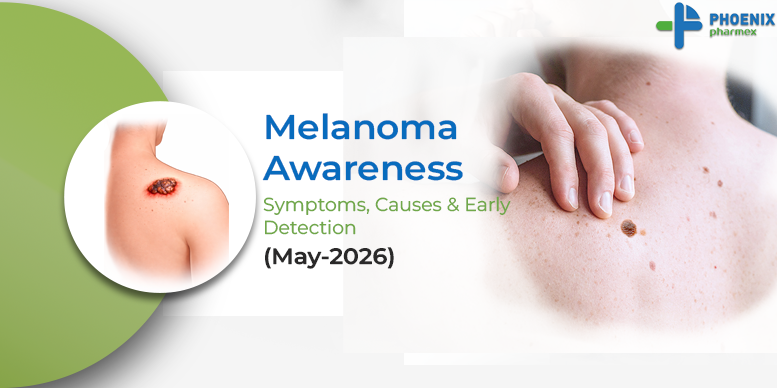
Melanoma Awareness Month 2026: Symptoms, Causes & Early Detection
When something changes on the skin, the mind often reacts quickly — but the skin usually gives time to understand before anything urgent is needed.
Recognizing Early Skin Changes Without Fear
It often begins with something you notice in passing a mole that looks slightly different, a spot that wasn’t there before, or a subtle change in color that feels unfamiliar. At first, it is easy to dismiss these signs, as skin changes are common and can result from sun exposure, minor irritation, or natural aging. Yet, the thought may return quietly. Should this be something to pay attention to? The key misunderstanding is that while most skin changes are harmless and part of normal variation, the skin is constantly renewing and adapting. However, when a change becomes persistent, evolves over time, or appears noticeably different, it becomes something to observe rather than fear. During Melanoma Awareness Month 2026, the goal is not to create doubt around every mole, but to help you recognize patterns calmly and respond with clarity. Most findings are not serious, and when something does require attention, it can be evaluated early and carefully, allowing for a more informed and reassuring approach to skin health.
What Is Melanoma?
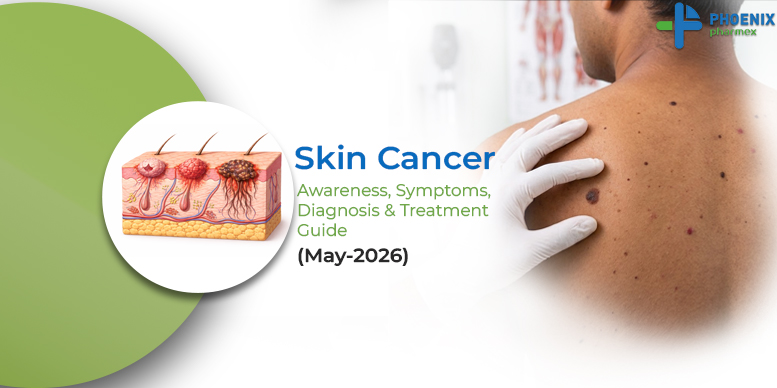
Melanoma is a type of skin cancer that begins in melanocytes, the cells responsible for producing melanin—the pigment that gives your skin its color. It often appears as a new or changing mole or spot on the skin, which may look different in color, shape, or size compared to others. While many skin changes are harmless, melanoma is considered more serious because of its ability to grow and spread if not detected early. However, since it is usually visible on the skin, it can often be noticed and evaluated at an early stage.
What makes melanoma different from other skin cancers is how it behaves. Common types like basal cell carcinoma and squamous cell carcinoma typically grow slowly and are less likely to spread to other parts of the body. In contrast, melanoma has a higher potential to spread if left untreated, which is why early detection and timely evaluation are especially important. Despite this, when identified early, melanoma can often be treated effectively, making awareness and observation key to better outcomes.
Symptoms of Melanoma: Changes in Moles and the ABCDE Rule
Melanoma often begins with small, visible changes on the skin especially in moles. A spot that once looked normal may start to appear slightly different, or a new mark may stand out from the rest. While most skin changes are harmless, certain patterns are worth noticing because they can signal the need for closer attention.
A simple and effective way to observe these changes is through the ABCDE rule, which helps you understand what to look for without overthinking every detail:
Asymmetry – One half of the mole does not match the other
Border – Edges appear uneven, irregular, or blurred
Color – Presence of multiple shades or unusual tones
Diameter – Size larger than about 6mm
Evolving – Any change over time in size, shape, color, or sensation
These signs are not meant to create worry, but to guide awareness. When a mole shows consistent or noticeable change, it becomes something to observe and, if needed, evaluate calmly. Early attention brings clarity—and clarity brings confidence.
Causes and Risk Factors of Melanoma
Melanoma is primarily caused by damage to the DNA of skin cells, most often due to overexposure to ultraviolet (UV) radiation. This damage develops gradually over time and can influence how skin cells grow and repair themselves. Understanding the key causes and risk factors can help you stay aware and take preventive steps:
Main Causes
UV Radiation Exposure – The leading cause, especially from prolonged sun exposure
Severe Sunburns – Intense, blistering sunburns, particularly during childhood
Tanning Beds – Artificial UV exposure significantly increases risk
Key Risk Factors
Fair Skin & Light Features – Less melanin means lower natural protection
High Mole Count – Having more than 50–100 moles increases risk
Family History – A close relative with melanoma raises susceptibility
Weakened Immune System – Reduced ability to repair damaged cells
It is important to remember that these factors increase risk but do not guarantee that melanoma will develop. The goal is not to create concern, but to build awareness—so you can protect your skin, notice changes early, and respond with clarity and confidence.
How Melanoma Is Diagnosed and Treated
When a skin change is noticed and continues to persist, healthcare professionals follow a structured and careful approach to ensure accurate evaluation. The process usually begins with a detailed visual examination, often using a dermatoscope to closely assess the skin and identify any unusual patterns. If a mole or spot appears concerning, a biopsy may be recommended, where a small sample is removed for detailed laboratory analysis. If melanoma is confirmed, further evaluation is carried out to understand its depth and whether it has spread, helping guide the next steps in care.
Treatment Options May Include:
Surgical removal – The most common and effective initial treatment
Additional therapies – Used when needed, depending on the stage and spread
Regular follow-up and monitoring – To track recovery and detect any changes early
Each step in this process is taken with care and clarity. Nothing is assumed without proper confirmation, and decisions are made gradually based on accurate findings. This structured approach helps ensure that care is both personalized and effective, while also providing reassurance throughout the journey.
Why Every Melanoma Case Is Different
Melanoma can vary widely in how it appears and behaves, which is why every case is approached individually rather than with a one-size-fits-all method. Some skin changes remain superficial and can be treated effectively when detected early, while others may require more structured care depending on their depth and whether they have spread.
Factors That Influence Each Case:
Depth of the lesion – How deeply the melanoma has developed in the skin
Location on the body – Certain areas may require different approaches
Timing of detection – Earlier detection often leads to simpler treatment
Skin type and overall health – Individual factors that affect response to treatment
Early detection plays a key role in achieving positive outcomes, often allowing for less complex treatment. This variation does not mean unpredictability; it means that care is carefully tailored to each individual, ensuring a more personalized, thoughtful, and effective approach to treatment.
Preparing for Skin Evaluation Without Fear
If you are observing a skin change or undergoing evaluation, it is completely natural to feel a sense of uncertainty. There may be waiting periods for appointments or reports, unfamiliar medical terms, and the need for follow-up visits all of which are a normal part of the process. This phase may feel unclear, but it is structured to bring clarity over time.
What Can Help You Feel More in Control:
Monitor your skin regularly in natural light
Note any changes in size, shape, or color
Take photos to track differences over time
Ask questions until explanations feel clear
It is important to remember that you do not need to react immediately; you are allowed to observe first and then evaluate calmly. Understanding builds gradually, and with each step, clarity replaces uncertainty, helping you move forward with confidence and reassurance.
A Grounded Perspective
Melanoma Awareness Month 2026 is not a reminder to worry about every mole, but an opportunity to take a calm and balanced approach to skin health. It encourages you to notice changes that persist or evolve, protect your skin from excessive sun exposure, and seek evaluation when something feels different without urgency or fear. Most skin changes are harmless and part of normal variation, and when something does require attention, it is addressed through a structured and thoughtful medical process. Choosing calm awareness over silent worry allows you to respond with clarity, confidence, and a more grounded perspective on your overall well-being.
Frequently Asked Questions (FAQs) About Melanoma
1. Are all moles dangerous?
No. Most moles are harmless and remain stable over time. However, any mole that looks unusual or changes should be evaluated.
2. What changes should I look for?
Watch for changes in size, shape, or color, or a new mole that looks different from others. Persistent itching, bleeding, or irregular borders should also be checked.
3. Can melanoma be treated?
Yes. Melanoma is often highly treatable when detected early. Early diagnosis usually allows simpler and more effective treatment.
4. Should I check my skin regularly?
Yes. Regular self-checks help you become familiar with your skin and notice any new or changing moles early. This makes timely evaluation easier.
5. What should I do if I feel unsure about a mole?
You can consult a dermatologist for proper evaluation. A simple check can help clarify whether further attention is needed.
Reference
https://www.mayoclinic.org/diseases-conditions/melanoma/symptoms-causes/syc-20374884
https://my.clevelandclinic.org/health/diseases/14391-melanoma
https://www.ajhospital.in/news/early-signs-of-skin-cancer-symptoms-causes-and-prevention
Disclaimer:
The information in this article is provided for educational and awareness purposes only and should not be considered medical advice, diagnosis, or treatment guidance. Health conditions vary among individuals, and readers should consult qualified healthcare professionals for personalized medical recommendations. Phoenix Pharmex supports access to reliable health information but does not provide medical consultation through this content. Any medicines or therapies mentioned are for informational reference only and should be used under the supervision of licensed medical practitioners.






.png)

.png)
.png)

 Login with Facebook
 Login with Google
