
How is HIV Transmitted? Complete Guide to Causes, Risk Factors & Prevention

11 Apr 2026

6 Min. Read

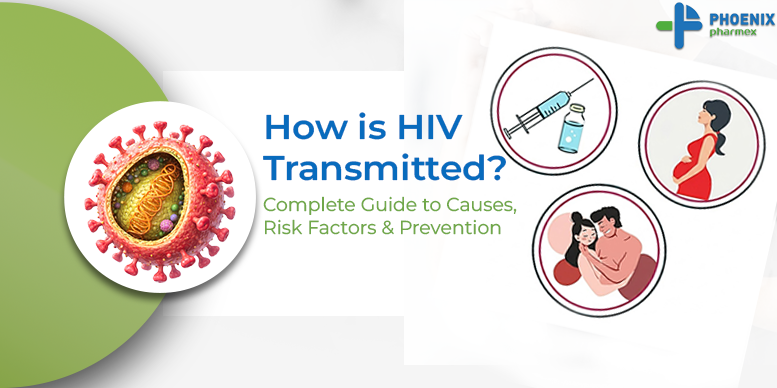
How is HIV Transmitted? Complete Guide to Causes, Risk Factors & Prevention
When something feels uncertain, the mind often imagines more risk than truly exists — and understanding the facts can quietly bring things back into balance.
HIV Awareness
It often begins with a moment of doubt, a situation you replay in your mind, a question you hesitate to ask openly, or a concern that grows heavier the longer it remains unspoken. You may find yourself wondering, can HIV be transmitted this way, or did I put myself at risk? This uncertainty is more common than it seems. However, the key misunderstanding is that HIV does not spread easily or casually; it requires specific conditions for transmission, and without those conditions, it does not occur. Understanding this is not about dismissing your concern, but about replacing uncertainty with clarity. Once you learn how HIV actually spreads, the unknown becomes more predictable and when something feels predictable, it naturally becomes calmer and easier to manage.
HIV Transmission Explained
HIV transmission occurs only under specific conditions, when certain body fluids from a person living with HIV enter another person’s bloodstream. Understanding these basics can help replace fear with clarity and prevent unnecessary worry.
Body Fluids That Can Transmit HIV:
Blood
Semen
Vaginal fluids
Rectal fluids
Breast milk
Conditions Required for Transmission:
Sufficient quantity of the virus must be present
A pathway into the body such as mucous membranes, open cuts, or direct injection
What This Means:
Without both of these conditions, HIV transmission does not occur
HIV is not spread through everyday contact like touching, sharing food, or casual interaction
This understanding forms an important foundation. When you know how HIV is actually transmitted, it becomes easier to separate real risk from unnecessary fear—bringing clarity, confidence, and peace of mind.
How HIV Enters the Body
HIV does not pass through intact, healthy skin—it requires a specific entry point to enter the body. This is an important distinction that helps clarify how transmission actually occurs and reduces unnecessary concern.
Common Entry Points for HIV:
Mucous membranes – Found in the genitals, rectum, and mouth
Direct access to the bloodstream – Through needles or contaminated transfusions
Mother-to-child transmission – During pregnancy or breastfeeding
What Happens After Entry:
The virus begins interacting with the immune system gradually
This process is not immediate or visible
In many cases, there are no early symptoms
Understanding this mechanism helps separate facts from assumptions. When you know how HIV enters the body, it becomes easier to assess situations clearly and avoid unnecessary worry.
The Main Routes of HIV Transmission
There are three primary ways HIV is transmitted:
Main Ways HIV Is Transmitted: Understanding the Key Routes Clearly
HIV transmission follows specific and well-understood pathways. It does not occur randomly, and understanding these routes helps bring clarity and reduce unnecessary fear.
1. Sexual Transmission (Most Common Route)
This is the most common way HIV spreads and can occur through unprotected vaginal or anal sex when one partner is living with HIV and is not on effective treatment.
Risk may vary based on:
Type of contact (anal sex carries higher risk than vaginal)
Presence of other infections (such as STIs)
Viral load of the partner (higher viral load increases risk)
2. Blood-to-Blood Transmission
This occurs when infected blood directly enters the bloodstream.
Possible situations include:
Sharing needles or syringes
Unsafe blood transfusions (now very rare due to strict screening)
Unsterilized medical or tattoo equipment
3. Mother-to-Child Transmission
HIV can be passed from mother to child during:
Pregnancy
Childbirth
Breastfeeding
With proper medical care and treatment, this risk can be significantly reduced.
Why HIV Risk Levels Vary
Not every exposure carries the same level of risk, as HIV transmission depends on several important factors. These include the viral load of the person living with HIV, the type of exposure, the presence of cuts, sores, or inflammation, and the use of preventive measures. For example, a person on effective treatment with an undetectable viral load has a significantly reduced risk of transmitting HIV, and the use of protection further lowers that risk. This variation does not mean uncertainty instead, it highlights that risk can be clearly understood and effectively managed with the right knowledge and precautions.
Situations That Do NOT Transmit HIV
Many common concerns come from situations that do not involve transmission at all.
HIV is not transmitted through:
Hugging or touching
Kissing (in normal conditions)
Sharing food, water, or utensils
Using the same toilet or public spaces
Coughing or sneezing
Mosquito or insect bites
These everyday interactions are safe. Understanding this helps reduce unnecessary fear and stigma.
Risk Factors
Certain factors can increase the likelihood of transmission:
Unprotected sexual contact
Multiple partners without testing
Presence of other sexually transmitted infections
Sharing needles or sharp instruments
Lack of access to testing or treatment
These are not judgments. They are simply patterns observed in medical understanding. Recognizing them allows for better decisions.
How HIV Can Be Controlled and Avoided
HIV prevention is based on simple, effective strategies:
Using protection during sexual activity
Regular testing for awareness
PrEP (Pre-Exposure Prophylaxis) for those at higher risk
PEP (Post-Exposure Prophylaxis) after potential exposure (within a limited time window)
Avoiding sharing needles
Ensuring medical procedures use sterile equipment
For people living with HIV:
ART (Antiretroviral Therapy) helps reduce viral load
When viral load becomes undetectable, transmission risk is significantly lowered. Prevention is not complicated.
A Grounded Perspective
HIV transmission is not random; it follows clear and specific pathways that can be understood with the right information. Once these pathways are recognized, uncertainty naturally begins to reduce. Most everyday interactions carry no risk at all, and even in higher-risk situations, there are effective ways to reduce and manage that risk. This understanding helps shift the focus from fear to clarity. When you are informed, you are better equipped to make decisions with confidence, awareness, and a sense of control over your health.
Frequently Asked Questions (FAQs)
1. Can HIV spread through casual contact?
No. HIV is not transmitted through touching, hugging, shaking hands, or sharing food and utensils. It spreads only through specific bodily fluids under certain conditions.
2. Is HIV transmission common?
HIV transmission requires specific conditions, such as unprotected sexual contact, blood exposure, or sharing needles. Without these routes, transmission does not occur.
3. Can protection reduce risk?
Yes. Using protective measures like condoms and safe practices significantly reduces the risk of HIV transmission. Preventive approaches are highly effective when used consistently.
4. What should I do after possible exposure?
You should consult a healthcare provider as soon as possible. They may recommend testing and post-exposure prophylaxis (PEP), which is most effective when started within a limited time window.
5. Can HIV be prevented completely?
While no method offers absolute prevention, consistent use of preventive strategies can make the risk extremely low. Awareness and timely action play a key role.
Reference
Disclaimer:
The information in this article is provided for educational and awareness purposes only and should not be considered medical advice, diagnosis, or treatment guidance. Health conditions vary among individuals, and readers should consult qualified healthcare professionals for personalized medical recommendations. Phoenix Pharmex supports access to reliable health information

.png)
.png)
.png)
 Login with Facebook
 Login with Google
