
Testicular Cancer Prevention Month 2026: Symptoms, Risk Factors & Early Detection

31 Mar 2026

7 Min. Read

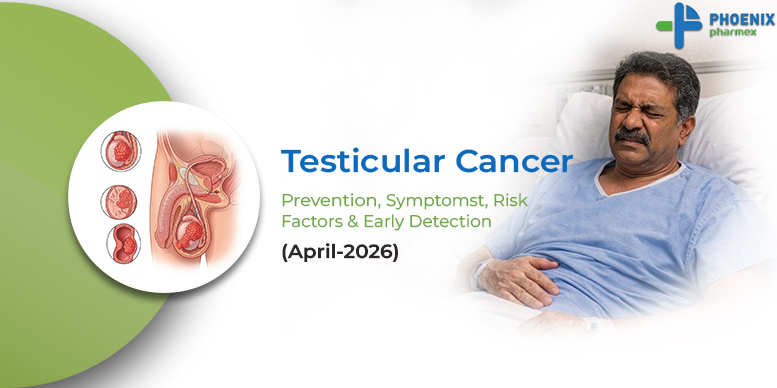
Testicular Cancer Prevention Month 2026: Symptoms, Risk Factors & Early Detection
When something feels different in the body, the mind often searches for answers quickly — but the body usually asks for calm attention, not immediate fear.
Early Symptoms of Testicular Cancer
It often begins with something small, a slight heaviness, a subtle swelling, or a difference that is felt more than seen. You may notice it during routine moments such as getting ready, showering, or simply being more aware of your body. At first, it may not seem important, but over time a quiet question may arise: is this normal, or something that should not be ignored? The important thing to understand is that most changes in the testicular area are not related to cancer; they are commonly caused by minor infections, fluid collections, or temporary conditions that resolve with simple care. However, because this part of the body is private and not often openly discussed, even small changes can feel unfamiliar and concerning. During Testicular Cancer Prevention Month 2026, the focus is not to create fear around every symptom but to promote awareness in a way that is calm, clear, and manageable. In most cases, findings are non-serious, and when medical attention is needed, early evaluation helps ensure a smooth and reassuring process.
Understanding Testicular Cancer
Testicular cancer refers to abnormal cell growth in the testicles, which are part of the male reproductive system and are responsible for producing sperm and hormones. It is one of the less common cancers overall, but it is more frequently seen in younger men, typically between the ages of 15 and 40. In many cases, it begins as a small, localized change within the testicle. This is important to understand. Because early changes are often detectable. And early detection allows for more structured and effective management. It is not a condition that appears without signs. It is one that can often be noticed with awareness.
Risk Factors of Testicular Cancer Explained
The testicles, like all parts of the body, rely on a balanced process of cell growth and renewal. Occasionally, certain cells begin to grow differently and continue multiplying instead of following their normal cycle. This may lead to the development of a lump or swelling within the testicle. Some factors that may influence risk include:
Undescended testicle (cryptorchidism)
Family history
Previous history of testicular conditions
Genetic influences
However, many individuals diagnosed with testicular cancer have no clear risk factors. At the same time, many men with these risk factors never develop cancer. This is why symptoms and physical awareness matter more than assumptions.
Common signs that may be noticed include:
A painless lump or swelling
A feeling of heaviness in the scrotum
Mild discomfort or dull ache
A difference in size or firmness between testicles
These symptoms can also occur in non-cancerous conditions. So again, they are signals not conclusions.
Diagnosis and Early Detection Methods
If a change is noticed and persists, healthcare professionals follow a clear and structured approach.
The process usually begins with:
A physical examination
A discussion of symptoms and duration
This is often followed by:
Ultrasound imaging, which provides a clear view of the testicle
Blood tests to check tumour markers
If further evaluation is needed, additional steps are taken carefully before any diagnosis is confirmed.
If a diagnosis is made, treatment planning is done step by step and may include:
Surgery
Medication-based therapies
Monitoring and follow-up care
Testicular cancer is known to respond well to treatment, especially when detected early.
Why Testicular Cancer Cases Differ
Not all testicular conditions behave in the same way, and understanding this variation is essential for maintaining a balanced perspective. Some findings are benign and may require little to no intervention, while others may need short-term treatment or more structured care over time. These differences typically depend on several factors, including the type of growth, the stage at which it is detected, overall health, and how the body responds to treatment. Early detection plays a key role in enabling simpler treatment approaches and improving outcomes. Importantly, variation in conditions does not mean unpredictability; rather, it reflects a personalized approach to care, where management is tailored to suit each individual’s specific needs.
Preparing for Diagnosis and Treatment
If you are undergoing evaluation for a testicular concern, it is completely normal to experience a sense of uncertainty. There may be waiting periods between tests, medical terms that feel unfamiliar, and multiple steps before clear answers are reached, which can make the process feel emotionally heavy. What often helps is bringing a sense of structure to this experience, performing regular self-checks in a calm and routine manner, noting any changes without overanalyzing them, and seeking medical advice if something persists. It is also important to ask questions until explanations feel clear and comfortable. You are not expected to react immediately; you are allowed to take the time to understand. Clarity develops gradually, and each step helps move toward reassurance and informed care.
Life After Testicular Cancer Care
Awareness of testicular health gradually becomes a part of normal self-care, much like noticing any other change in the body. For many men, this simply involves becoming familiar with their usual baseline and recognizing when something feels different. Daily life continues as usual work, relationships, routines, and future plans all remain intact. Even for individuals who require treatment, many are able to return to full and active lives with time, care, and the right support. Awareness is not about expecting something serious; it is about reducing uncertainty through early attention. When a concern is checked early, a greater sense of control is established, and as control increases, fear naturally begins to decrease.
A Grounded Perspective
Testicular Cancer Prevention Month 2026 is not meant to encourage worry over every small change, but rather to promote a balanced and informed approach to health. It serves as a reminder to stay aware of your body, notice any persistent changes, and seek medical evaluation calmly when needed. It also encourages replacing silence or hesitation with informed understanding. In most cases, changes have simple and manageable explanations, and when something does require attention, it is handled through a structured and thoughtful medical process. Ultimately, calm awareness is far more helpful and empowering than silent fear.
Frequently Asked Questions (FAQs) About Testicular Cancer
1. Are all lumps in the testicle cancerous?
No. Many testicular lumps are caused by non-cancerous conditions such as cysts, fluid buildup, or infections. However, any new or unusual lump should be evaluated by a healthcare professional to determine the exact cause.
2. Is testicular cancer common?
Testicular cancer is relatively uncommon overall, but it is one of the more common cancers in younger men, especially between the ages of 15 and 40. Awareness helps in early detection and timely care.
3. Can testicular cancer be detected early?
Yes. Many cases are detected early because changes are often noticeable. Regular self-awareness and prompt medical evaluation of any unusual signs play an important role.
4. Is self-examination important?
Yes. Regular self-examination helps you become familiar with what is normal for your body. This makes it easier to notice any changes early and seek medical advice if needed.
5. Is testicular cancer treatable?
Yes. Testicular cancer is often highly treatable, especially when detected early. With appropriate treatment and follow-up, many individuals recover and continue normal, healthy lives.
Reference
https://www.nanavatimaxhospital.org/blogs/testicular-cancer-awareness
https://sachinmarda.com/testicular-cancer-know-risk-factors-prevention-symptoms-and-treatment/
https://my.clevelandclinic.org/health/diseases/12183-testicular-cancer
https://www.mocindia.co.in/types-of-cancer/testicular-cancer
Disclaimer:
The information in this article is provided for educational and awareness purposes only and should not be considered medical advice, diagnosis, or treatment guidance. Health conditions vary among individuals, and readers should consult qualified healthcare professionals for personalized medical recommendations. Phoenix Pharmex supports access to reliable health information but does not provide medical consultation through this content. Any medicines or therapies mentioned are for informational reference only and should be used under the supervision of licensed medical practitioners.









.png)


.png)

.png)

 Login with Facebook
 Login with Google
