
Cholangiocarcinoma Awareness Month 2026: Spot Bile Duct Cancer Early

14 Feb 2026

6 Min. Read

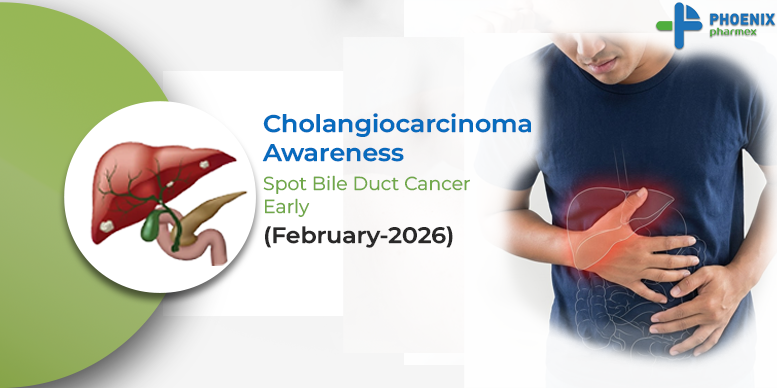
Cholangiocarcinoma Awareness Month 2026: Spot Bile Duct Cancer Early
Introduction
Many people first notice something small, a little tiredness that doesn’t go away, mild digestive discomfort, or a change in appetite they assume is temporary. Life continues, work continues, and the body quietly adjusts. Most of the time, these symptoms are harmless and pass on their own. What often creates worry is not the symptoms themselves, but the uncertainty about what they might mean. Bile duct cancer, also called cholangiocarcinoma, is one of those conditions people rarely think about, which is why early signs are sometimes misunderstood as common digestive issues. Understanding how this condition develops and how it is identified early helps remove much of that uncertainty. When changes are noticed early and evaluated calmly, doctors usually have more ways to guide treatment and monitoring.
Awareness is not about panic. It is about predictability.
What Is Bile Duct Cancer (Cholangiocarcinoma)
Bile ducts are small channels that carry bile, a digestive fluid produced by the liver, to the intestine where it helps break down fats. Cholangiocarcinoma occurs when some of the cells lining these ducts begin to grow in an uncontrolled way. This condition is considered uncommon, and many digestive symptoms people experience are caused by far more routine problems such as gallstones, acidity, or infections. Still, awareness allows unusual patterns to be evaluated sooner if they persist.
Most symptoms are not emergencies, they are signals to observe and understand.
Causes of Bile Duct Cancer
Over time, certain long-standing irritations or changes in bile ducts may influence how cells behave. Chronic inflammation, bile duct abnormalities, certain liver conditions, or long-term exposure to specific environmental factors can gradually alter cellular function. These changes do not happen overnight. They usually develop slowly over years, which is why early identification through medical evaluation and imaging tests can make a meaningful difference in planning care.
The process is gradual, which gives time for detection and decision-making.
Diagnosis and Treatment of Cholangiocarcinoma
When doctors suspect a bile duct issue, the first steps are usually simple: reviewing symptoms, performing blood tests, and using imaging methods such as ultrasound, CT scan, or MRI to understand what is happening internally. If needed, additional tests help confirm the diagnosis. Treatment planning depends on the location, stage, and overall health of the individual. Management may include surgery when removal is possible, medications that help control cell growth, targeted therapies designed for specific tumor characteristics, or supportive treatments that maintain comfort and liver function. Care teams typically involve multiple specialists who work together to design a plan suited to the patient’s situation.
The goal is steady guidance, not rushed decisions.
Why Outcomes Differ in Bile Duct Cancer
No two cases of cholangiocarcinoma are exactly alike. Some are detected earlier because symptoms appear sooner or imaging is done for another reason. Others may be identified later because early symptoms were subtle.
Factors such as tumor location, general health, liver function, and response to treatment influence how management progresses. This variation is normal in medical care, and doctors continuously adjust treatment strategies based on how the body responds over time.
Variation does not mean uncertainty — it means care is personalized.
Preparing for Diagnosis
People often feel anxious while waiting for tests or results, mainly because they imagine the unknown. Knowing what to expect can make the process calmer:
Evaluations usually happen step by step rather than all at once
Many symptoms investigated for bile duct cancer turn out to have non-cancer causes
Even when cancer is diagnosed, treatment planning is thoughtful and structured
Monitoring and follow-up visits help doctors track progress and adjust care gradually
Discussing concerns openly with healthcare professionals often helps restore a sense of control.
Clarity reduces fear more than silence does.
Living with Cholangiocarcinoma
Awareness months like Cholangiocarcinoma Awareness Month 2026 are not meant to create alarm. Their purpose is to help people recognize persistent symptoms, seek timely evaluation, and feel prepared rather than uncertain. Many individuals undergoing evaluation continue their daily routines working, spending time with family, and managing responsibilities while tests and consultations proceed. Medical care today focuses not only on treatment but also on maintaining quality of life throughout the process.
Awareness and Prevention
Understanding early warning signs such as persistent jaundice (yellowing of the skin or eyes), unexplained weight loss, prolonged abdominal discomfort, dark urine, pale stools, or lasting fatigue helps people know when to consult a doctor, especially if these symptoms continue for several weeks. Early consultation simply opens the door to clarity.
And clarity often brings calm.
A Gentle Perspective
Cholangiocarcinoma is a serious condition, but awareness replaces uncertainty with preparedness. Most health concerns people notice are not cancer, yet understanding what persistent symptoms mean allows earlier evaluation when needed. With advancing diagnostic tools, collaborative medical care, and steadily improving treatments, patients today have more structured guidance than ever before.
Knowledge does not increase fear — it gives direction.
Frequently Asked Questions (FAQs) on Bile Duct Cancer
1. Is bile duct cancer common?
No, cholangiocarcinoma is relatively rare compared to many other cancers, which is why awareness helps people recognize symptoms that persist unusually long.
2. What are the earliest symptoms to watch for?
Persistent jaundice, long-lasting abdominal discomfort, unexplained weight loss, dark urine, pale stools, and ongoing fatigue are symptoms that should be evaluated if they continue.
3. Can bile duct cancer be detected early?
Yes. Imaging tests such as ultrasound, CT scans, or MRI can help detect abnormalities, especially when symptoms are investigated early.
4. Does every digestive problem indicate bile duct cancer?
No. Most digestive symptoms are caused by common and treatable conditions. Persistent or unusual symptoms are simply signals to consult a doctor for evaluation.
5. What is the purpose of awareness campaigns?
They encourage understanding, early consultation for persistent symptoms, and informed discussions with healthcare providers so individuals feel prepared rather than uncertain.
Reference
https://www.cancer.gov/types/liver/hp/bile-duct-treatment-pdq
https://www.mdanderson.org/cancer-types/bile-duct-cancer/bile-duct-cancer-treatment.html
https://www.cancer.org/cancer/types/bile-duct-cancer/treating/based-on-situation.html
https://www.cancerresearchuk.org/about-cancer/bile-duct-cancer/treatment
Disclaimer
The information in this article is provided for educational and awareness purposes only and should not be considered medical advice, diagnosis, or treatment guidance. Health conditions vary among individuals, and readers should consult qualified healthcare professionals for personalized medical recommendations. Phoenix Pharmex supports access to reliable health information but does not provide medical consultation through this content. Any medicines or therapies mentioned are for informational reference only and should be used under the supervision of licensed medical practitioners.








.png)





.png)
.png)


 Login with Facebook
 Login with Google
